Episode Transcript
[00:00:00] Speaker A: They all laughed at Christopher Columbus when he said the world was round.
They all laughed when Edison recorded sound.
They all laughed at Wilbur and his brother when they said that man could fly.
They told Marconi wireless was a phony. It's the same old cry.
[00:00:21] Speaker B: Welcome back to 100 Years of Television. This is episode number 33, countdown number 74.
Money isn't everything, but it did build Disneyland for 100 weeks that started in October 2025.
This podcast is going to recall the top 100 milestones in the first 100 years of television and video.
The countdown will culminate on September 7, 2027, the 100th anniversary of the day television as we know it first appeared on Earth.
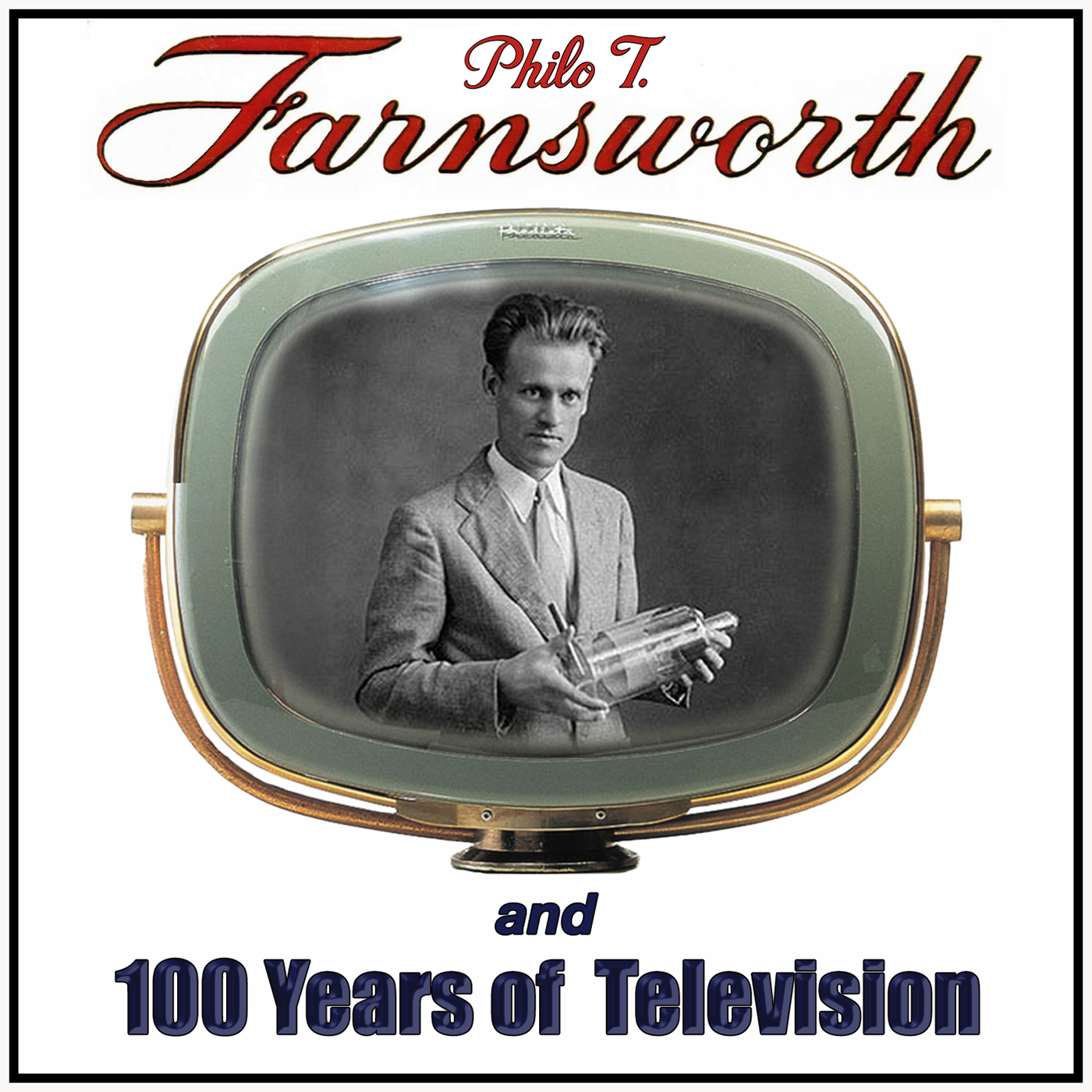
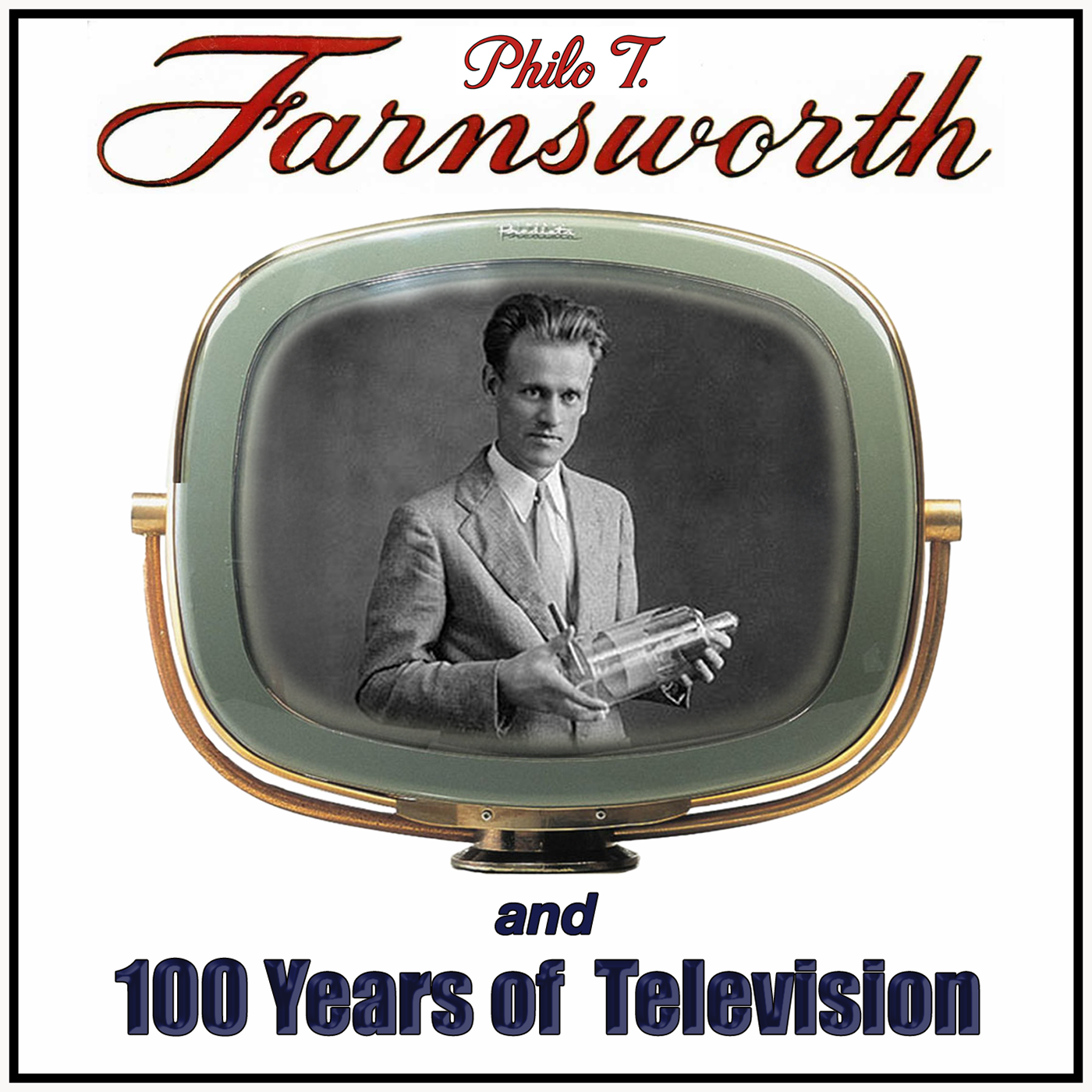
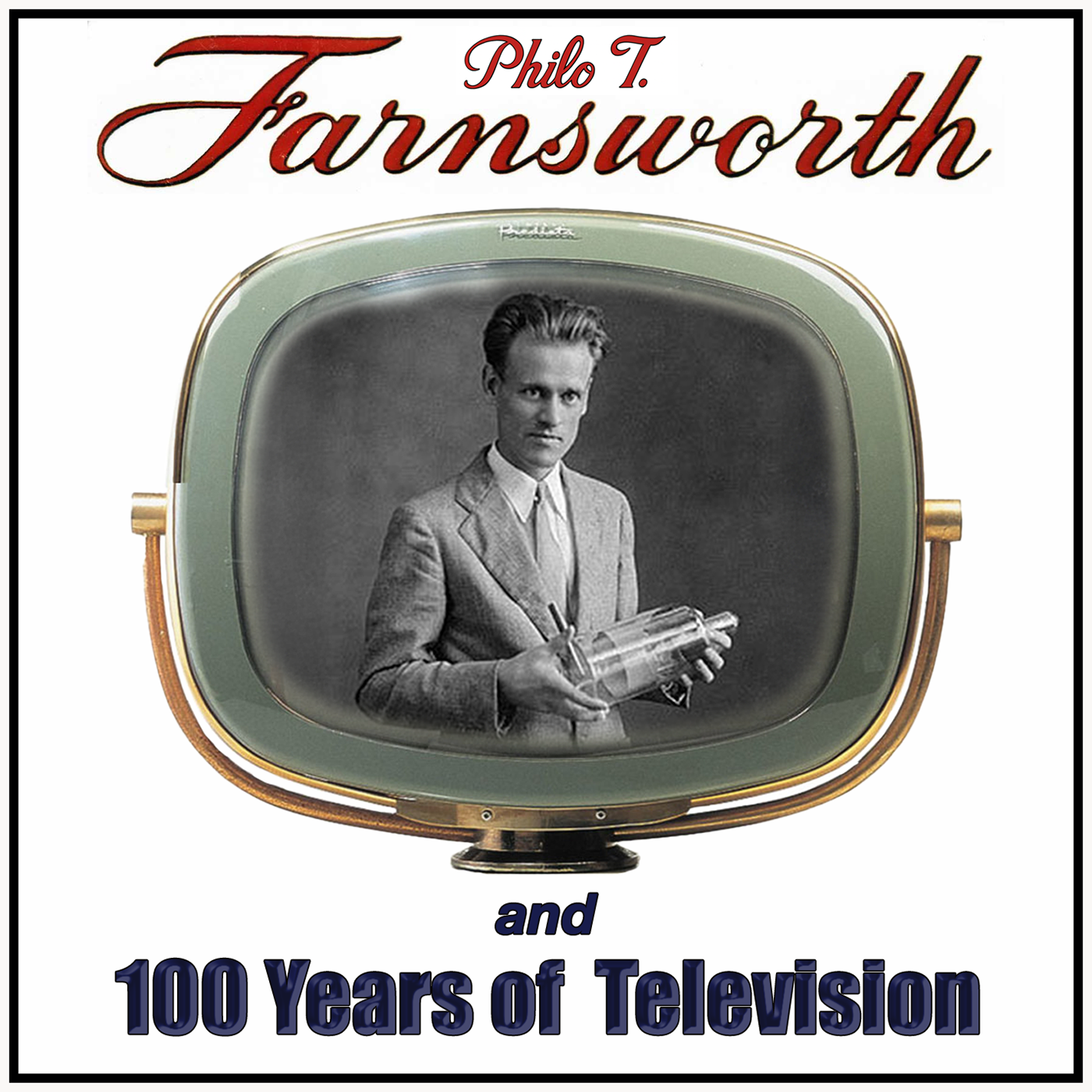
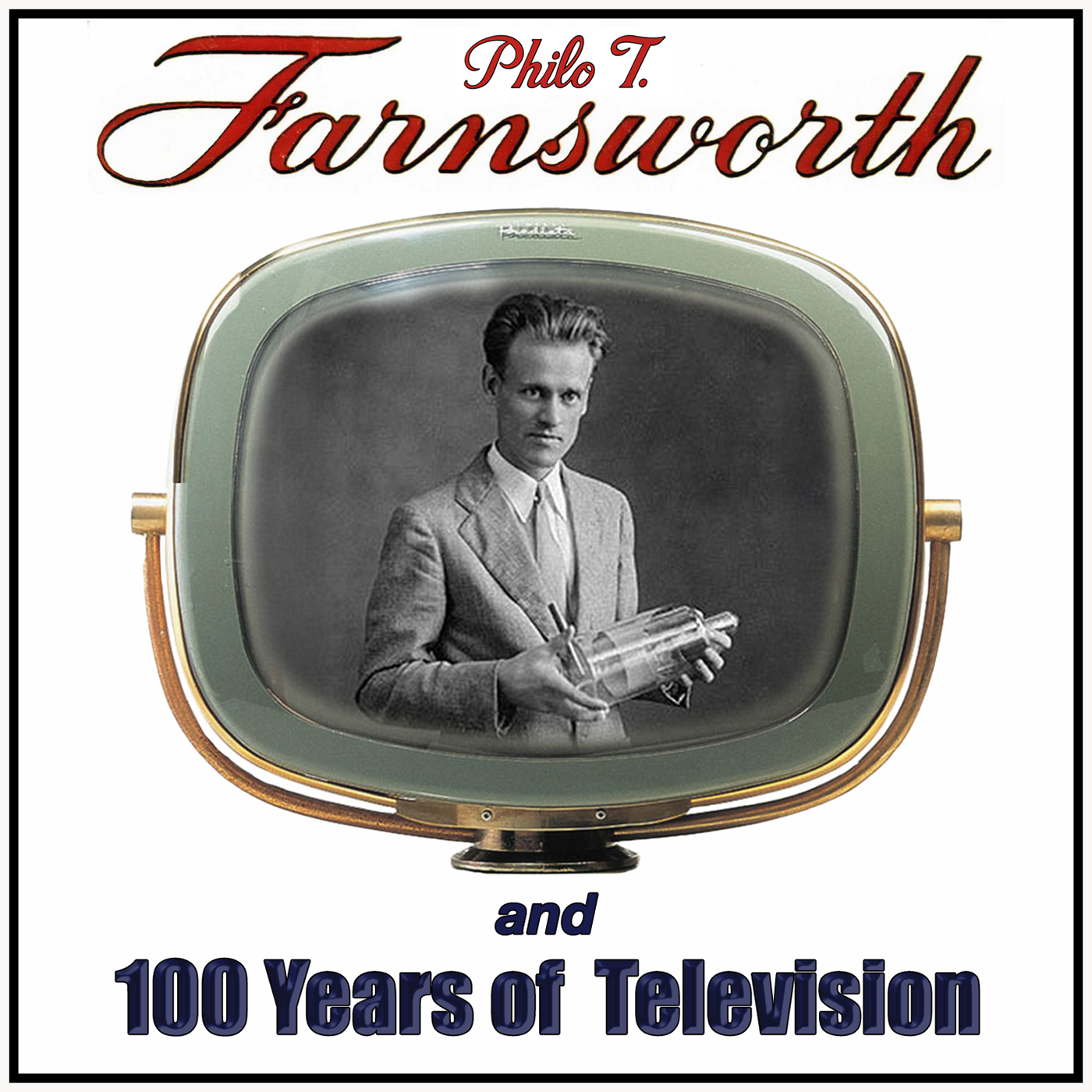
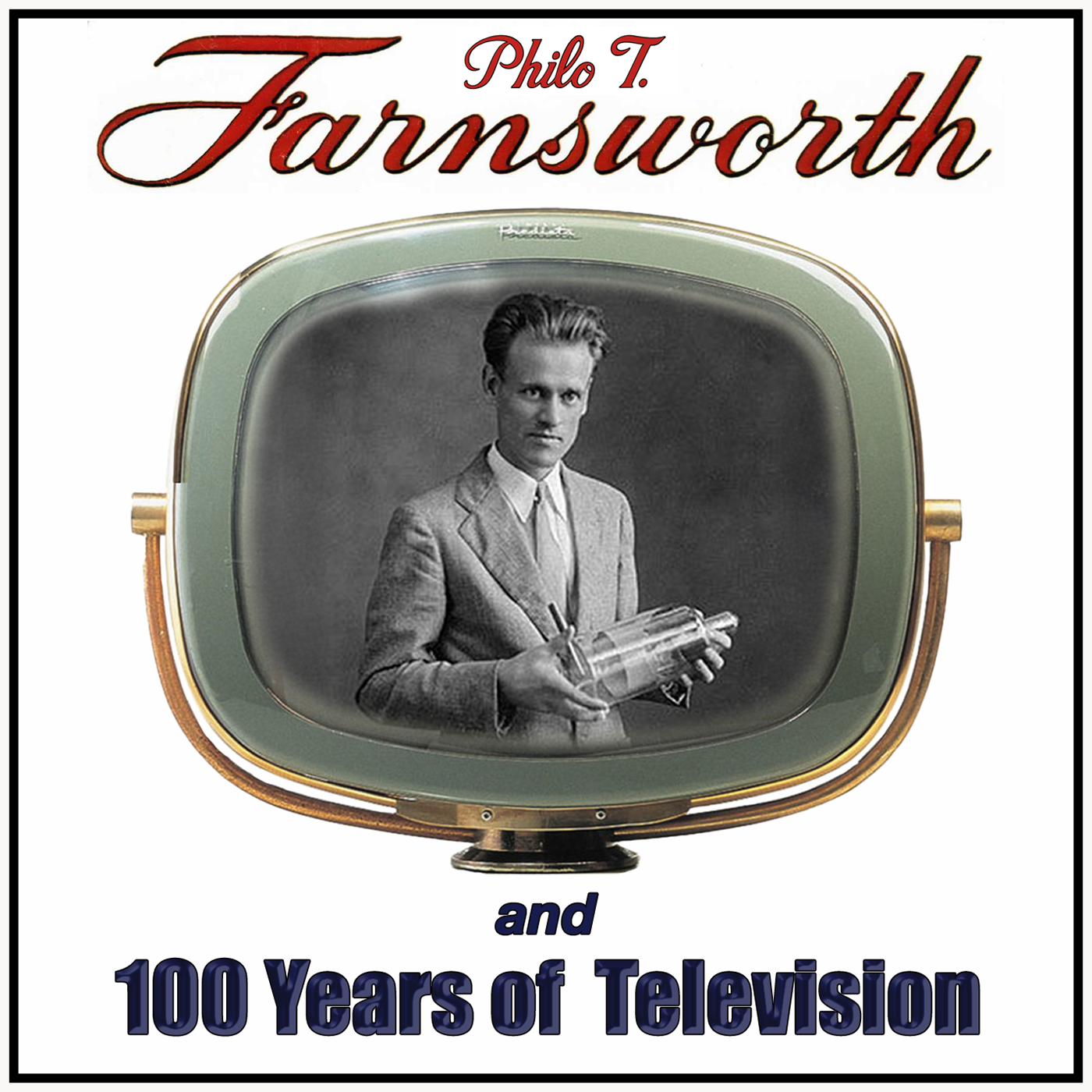
I'm Paul Schatzkin, author of the Boy who Invented Television, the definitive biography of Philo T. Farnsworth, who invented the world's first all electronic television system.
In the last episode, we witnessed the dawn of the cartoon era on television in the form of a cagey rabbit named Crusader and his amiable sidekick, Rags the Tiger.
Today, we're teaming up with a mouse.
Like most of his colleagues in the motion picture business after the war, Walt Disney was wary of the impact that the small new screen was going to have on the big old one.
Disney's career began in the early 1920s, creating ads and title cards for the Kansas City Film Ad Company.
In 1923, Walt took a reel of unfinished animation to Hollywood. With his brother Roy. He formed the Disney Brothers Cartoon Studio and enjoyed some early success with the Alice comedies, a series that combined live action with animation.
In 1927, the newly rechristened Walt Disney Studios accepted a commission from Universal Pictures to create their first animated character, Oswald the lucky rabbit.
In 1927 and 28, Walt Disney Studios churned out 26 Oswald cartoons for producer Charles Mintz at Universal.
When the Disney Brothers discovered that Mintz had locked up all the rights to the Oswald character, Walt started sketching a new character that would be entirely his own.
Only this time, instead of a rabbit, Walt started drawing a mouse.
Mickey Mouse made his debut as steamboat Willie on September 18, 1928 at the Colony Theater in New York City.
The eight minute cartoon not only introduced one of the world's most enduring characters, it was also the first cartoon with with sound and music synchronized to the picture. Just a year after Al Jolson first broke the cinema sound barrier in the Jazz Singer.
Just as synchronized sound made Steamboat Willie a breakthrough in the art of animation, Mickey Mouse was also cast in an unheralded role in another new Television.
By the time Steamboat Willie debuted, it had been more than a year since Philo Farnsworth had proven the essential principles of electronic video in his lab at 202 Green street in San Francisco.
Sometime in 1929, Farnsworth and his lab gang rigged a motion picture projector to an image dissector camera tube, building what was likely the first film chain to convert motion pictures to electronic video.
Steamboat Willie served as one of the film loops that ran continuously through the new contraption as the lab gang experimented with the tubes and circuits.
Of course, Walt Disney had no idea of the role his first Mickey Mouse cartoon played in the development of television. But by 1950, he had decisions to make about how the new medium was going to fit into his expanding entertainment empire.
He probably regarded television with the same suspicion as most Hollywood moguls as a threat to their box office, giving away for free what people should be buying tickets for.
In 1950, Walt Disney Studios was putting the finishing touches on its latest release, Alice in Wonderland, the studio's 13th animated feature.
Based on Lewis Carroll's 1865 children's book, the film was scheduled for theatrical release in the summer of 1951. When Walt decided it was time to put a cautious toe in the electronic waters of television.
Disney chose to explore TV first as a promotional tool.
Alice was already proving to be the most ambitious and expensive animation Disney had ever produced.
Its budget had more than doubled the $1.5 million cost of his previous biggest gamble, 1939's Snow White.
The word buzz had not found its way into the cultural lexicon yet. But that's exactly what Disney set out to generate with television.
Disney approached NBC with the idea of creating an hour long special that would air the night of Christmas 1950, when families would be looking for something to do after the gifts and feasts. Walt Disney figured to give them a preview of Alice a full seven months before its scheduled release.
NBC arranged for Coca Cola to sponsor the program.
The tie in was a natural in light of both companies pursuit of a family friendly corporate image.
Coke underwrote the cost of the broadcast and Disney provided product placement in return.
When One Hour in Wonderland aired at 4:30pm on December 25, 1950, it announced the arrival of a cultural force that would feed and be fed by television for generations to come.
It was Disney's first production created specifically for this small screen. It was aimed squarely at families gathered around their TVs during Christmas. And it established Disney as a presence in TV equipped homes across the entire country.
Even though Alice In Wonderland was still months from completion. Disney had enough finished footage to show clips, most notably the Mad Hatter's Tea Party, one of the visual centerpieces of the film.
A couple of classic holiday related Disney animated shorts like Pluto's Christmas Tree filled up the rest of the hour.
And perhaps most notable of all, Walt Disney himself served as the master of ceremonies, debuting in the avuncular role that he would reprise for decades to come.
With this first initiative into the new medium in his rearview mirror, Disney began to see the medium as less a threat than a megaphone.
By the time Disney's Peter pan opened in 1953, Disney's thinking about the two mediums had turned inside out.
Not only would the magic not end at the movie palace, it would begin in the living room.
But by the early 1950s, Walt Disney was pondering an even bigger idea than any of his films or television.
He wanted to build a park and populate it with his film's characters and themes. A place where parents could bring their children to see stories come to life.
To do that, Disney would need far more financing than even his most ambitious films had required.
But his usual sources of funds weren't buying it.
Amusement parks were risky, and the vision Walt was expressing for Disneyland was the riskiest venture imaginable.
So Walt turned once again to television.
In 1953, Walt Disney approached the American Broadcasting Company with an offer the fledgling network could scarcely refuse.
To fund the park's construction, Disney offered ABC a 1/3 stake in the park venture for $500,000 in cash.
To get the network on board, he offered to produce a weekly TV series for ABC.
Construction of Disneyland the Park started on July 16, 1954, in Anaheim, California.
Disneyland, the TV show premiered on the ABC network three months later, on October 27, 1954.
Just like One Hour in Wonderland was a preview of the film, the TV show was a preview of the park.
Each episode featured one of the park's four.
Adventureland, Frontierland, Fantasyland and Tomorrowland.
And the man the nation would come to think of as their uncle Walt introduced each segment personally.
Needless to say, Disneyland, the TV show, was a big hit for the network. And Disneyland the park was even bigger when it opened in the summer of 1955.
By 1960, Walt Disney was the 20th century's version of Alexander the Great, ruling a vast empire with his park, his movies, his television shows, and his grip on the imagination of an Entire Nation.
In 1961, the TV show was rebranded as Walt Disney's Wonderful World of Color and jumped networks to NBC as a cornerstone of RCA's campaign to promote their expanding line of color television sets.
The new show, airing in vibrant hues, featured documentaries, animated shorts, nature films and serialized dramas like Davy Crockett and Zorro.
The wonderful World of color gave Disney a weekly showcase for its entire catalog and was a considerable factor in color TVs becoming more commonplace by the end of the 1960s.
A heavy smoker, Walt Disney himself died in 1966, but his brother Roy survived him and continued to expand the empire.
In the 1980s, as cable became the way to tune into television, the company launched the Disney Channel, its own premium cable service.
That toehold on the new frontier eventually spread to include ABC Family and Toon Disney, Disney XD and more. Disney was now vertically integrated as a producer, distributor and broadcaster.
Acquisition became central to the empire's conquests, culminating in 1996 with the acquisition of ABC.
Disney now owned the network that put the park on the map and the TV shows on the air.
The expansion continued into the 21st century with the acquisition of vast film libraries to bolster Disney's own, including the Marvel Cinematic Universe, Lucasfilm and most of its Star wars franchise and Most of the 20th Century Fox movie catalog.
This empire of franchises sealed its dominion in 2019 when Disney launched Disney plus its long anticipated streaming service.
This king of the digital Hill reached over 100 million subscribers in less than two years.
A century after his birth, Walt Disney had not just conquered television, he had helped invent its future.
From a one hour experiment on Christmas Day to a planet spanning content empire. The Disney's role in the screen culture of the 21st century is unparalleled.
And yeah, it all started with a mouse that in fact made his first appearance on a video screen at 202 Green street in San Francisco in 1929.
This brings us to the end of 74 in the countdown of the top 100 milestones in the first 100 years of television.
Stay tuned for the next episode when scanlines meet digits. The first time a cathode ray tube is used as the display for a computer in 1950.
Thanks for listening to 100 Years of Television. This is a two year countdown to the centennial of television on September 7th, 2027.
For more, just aim your gizmo to 100 Years TV.
This podcast was written, recorded, edited, engineered and uploaded by me, Paul Shatzkin and is a production of Farnovision.com if television was invented by somebody named Farnsworth, why don't we call it Farnovision?
[00:14:00] Speaker A: They all said we never would be happy. They laughed at us and how but ho ho, ho, who got their lives right now?