Episode Transcript
[00:00:00] Speaker A: They all laughed at Christopher Columbus when he said the world was round they all laughed when Edison recorded sound they all laughed at Wilbur and his brother when they said that man could fly they told Marconi wireless was a phony it's the same old cry.
[00:00:20] Speaker B: Welcome back to 100 Years of Television.
This is episode 15 countdown number 92, standards for 100 weeks that started in October of 2025. This podcast is going to recall the top 100 milestones in the first 100 years of television and video.
The countdown is pegged to culminate on September 7, 2027, the 100th anniversary of the day television as we know it will was invented.
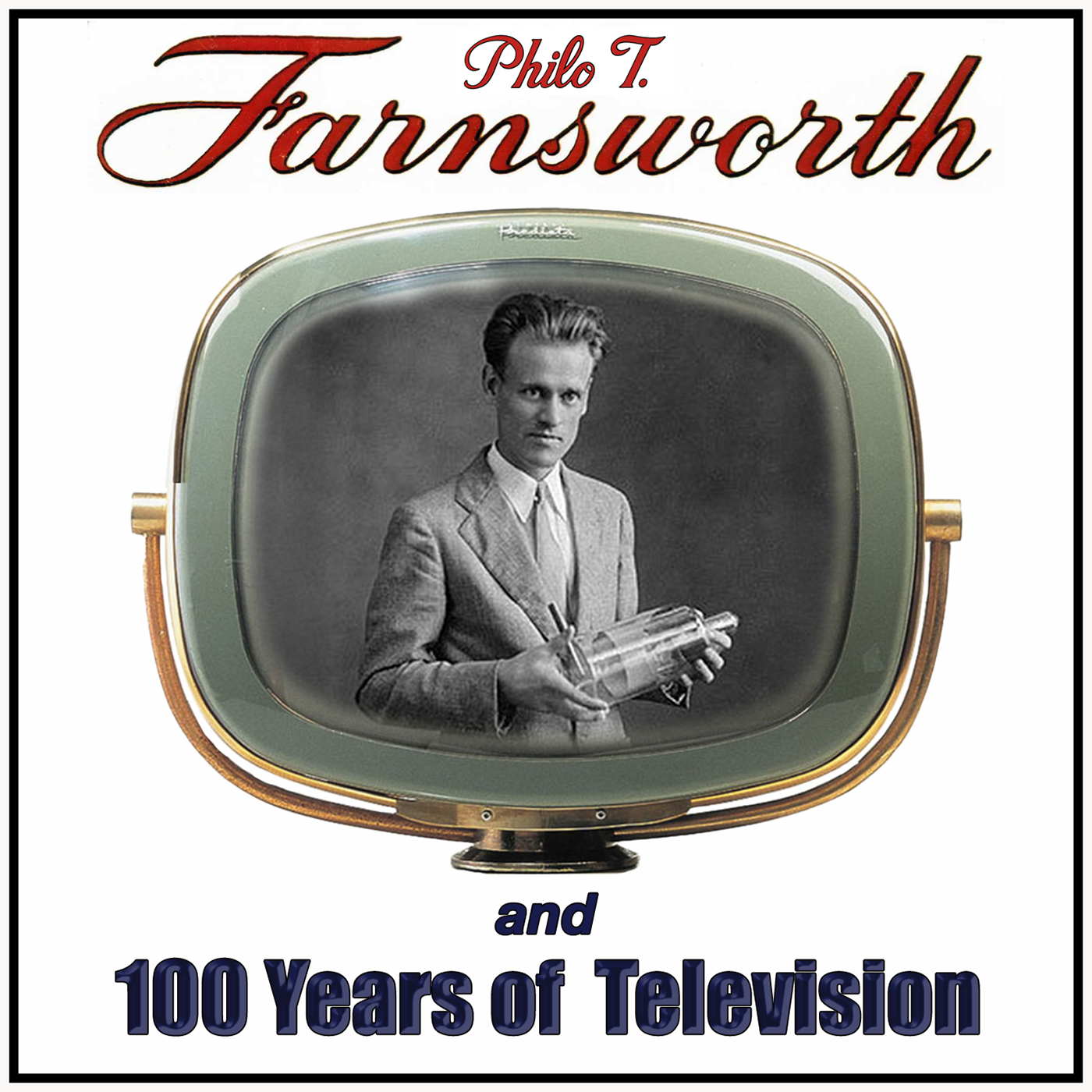
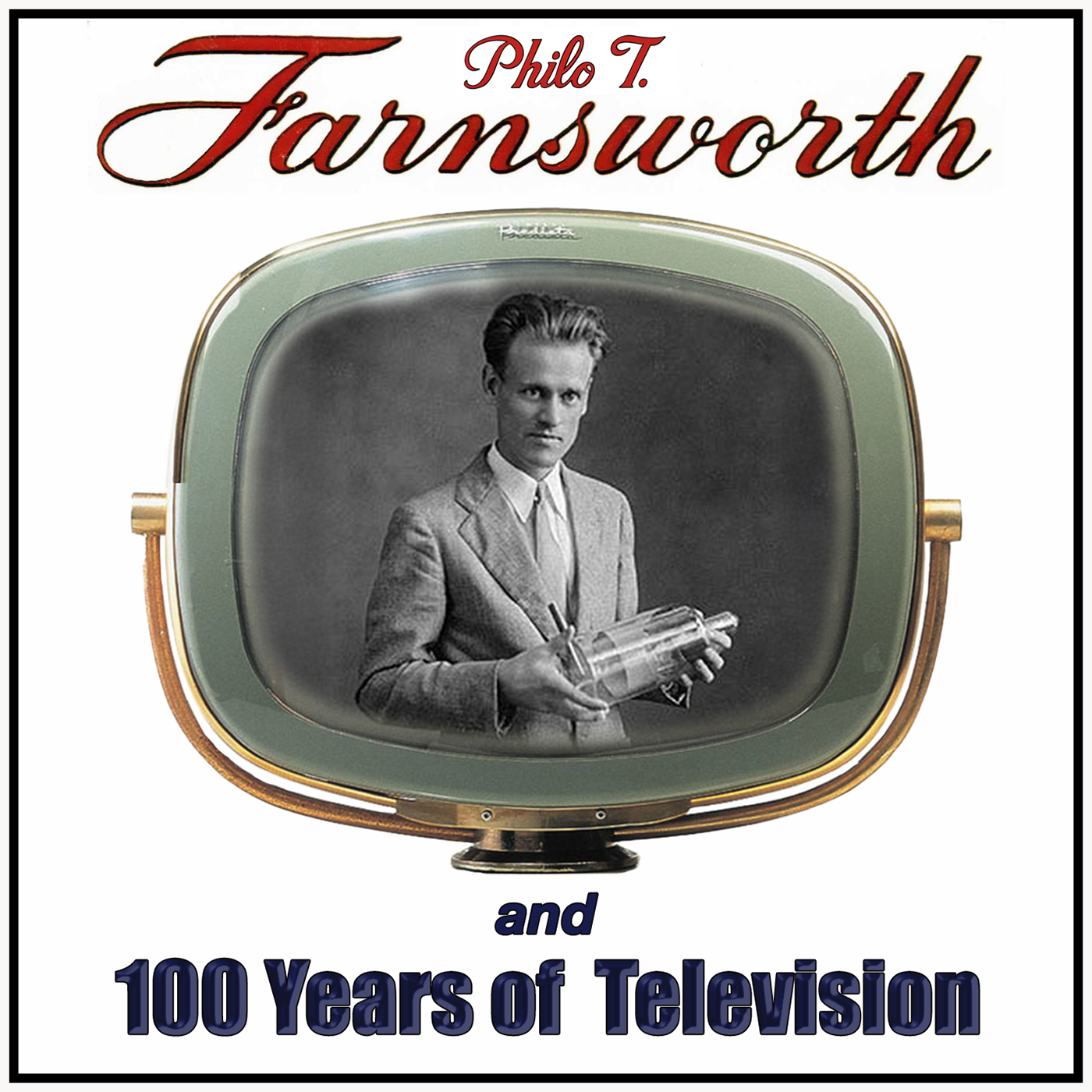
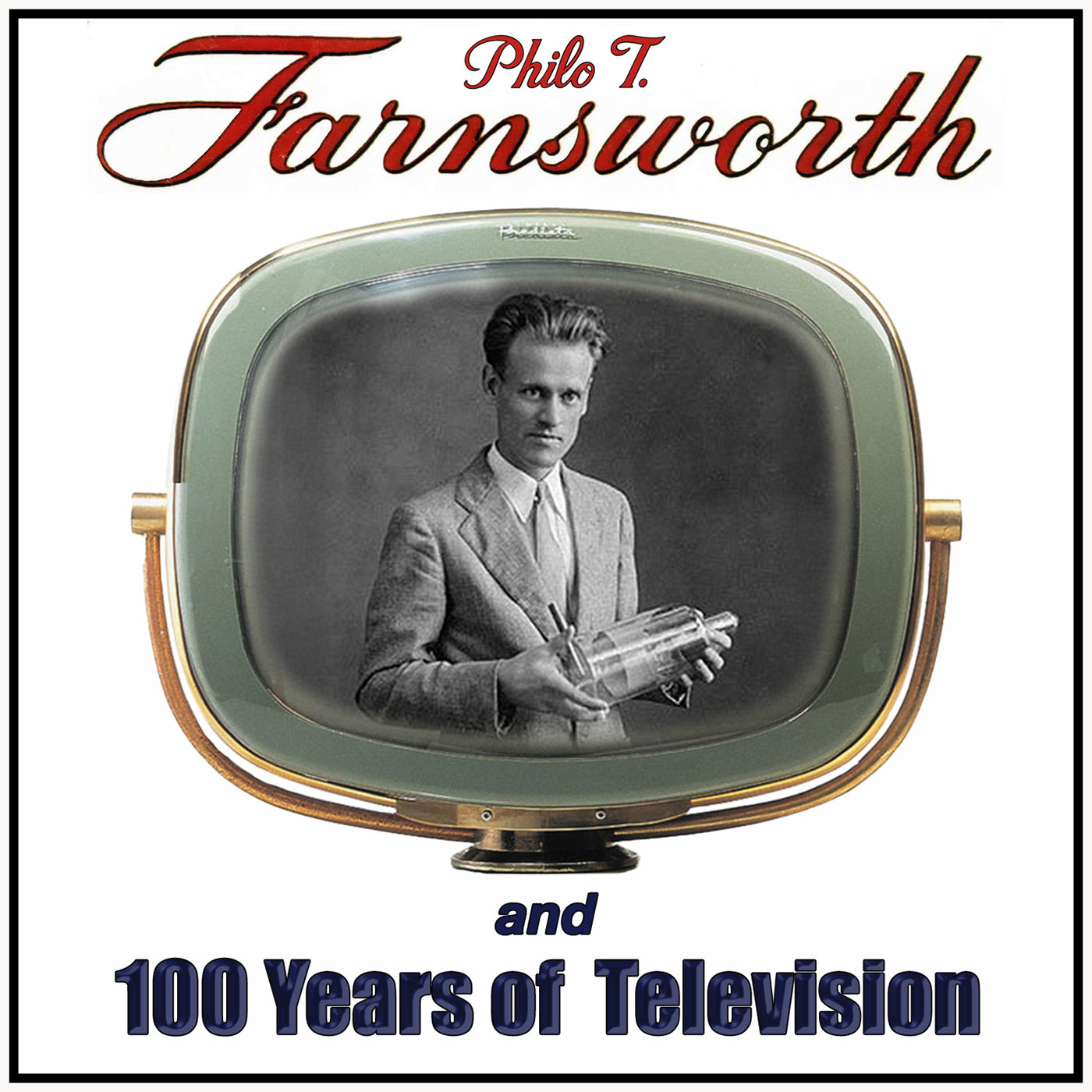
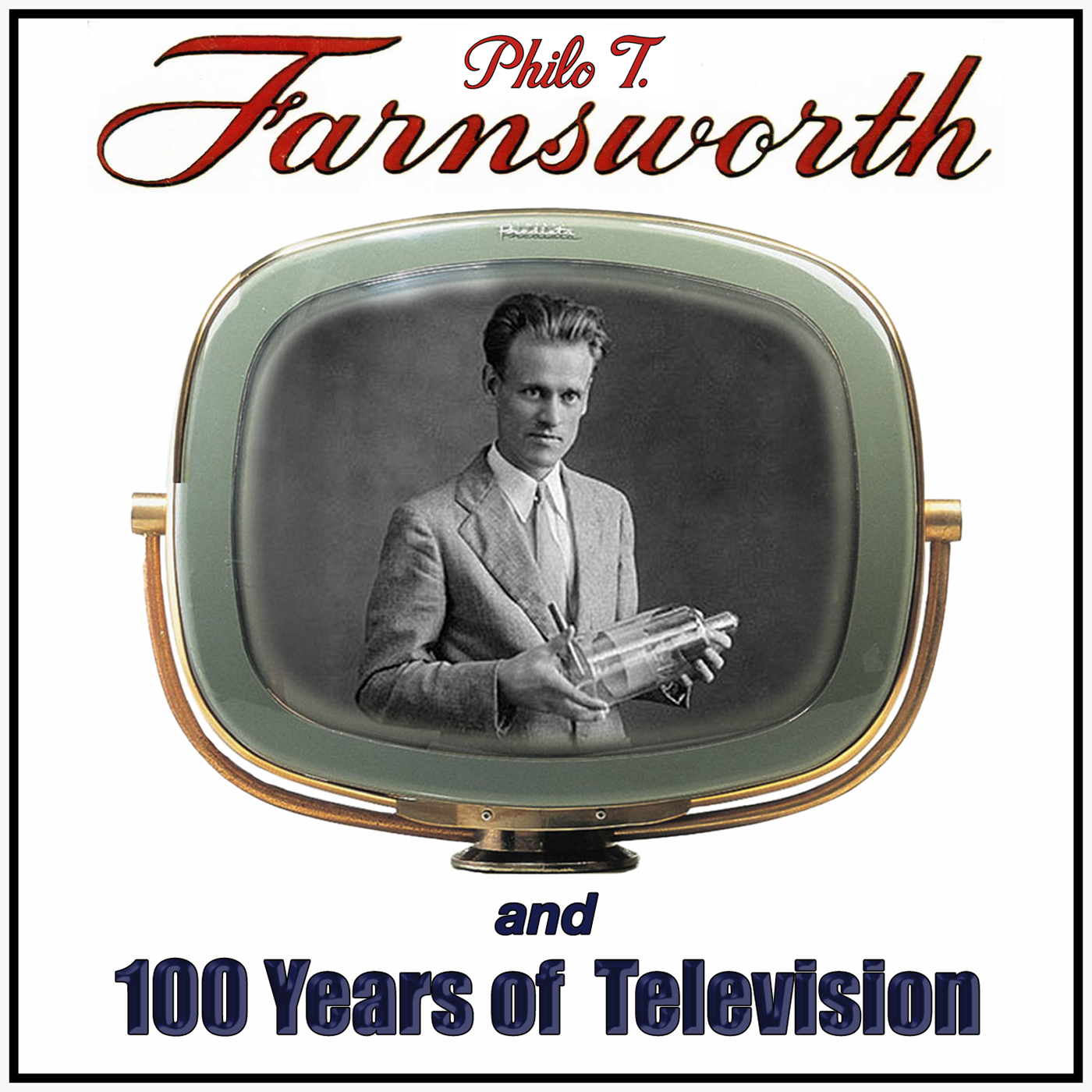
I'm Paul Schatzkin, author of the Boy who Invented Television, the definitive biography of Philo T. Farnsworth, who invented the world's first all electronic television system.
In the last episode, America's national pastime made its debut on television when RCA and NBC broadcast a double header between the Cincinnati Reds and and the Brooklyn Dodgers in the summer of 1939.
Today, the push for commercial television takes a giant leap in the right direction with the adoption of universal signal standards for the entire industry.
[00:01:40] Speaker C: When RCA began its experimental television broadcasts in the spring of 1939, the pictures were transmitted using a standard of RCA's own design.
441 lines per frame at 30 frames per second.
Since the rest of the fledgling industry had yet to adopt that or any other signal standard, RCA was on its own and lobbying mightily to make theirs the national standard. But despite RCA's imperious influence, the Federal Communications Commission was not inclined to act hastily.
Although RCA was the dominant player in the nascent field, it was not the only player. Among its competitors was the Columbia Broadcasting System cbs, under the direction of its own high powered founder and CEO, William S. Paley.
[00:02:35] Speaker B: As early as 1931, CBS began experimenting with television under the leadership of Dr. Peter Goldmark, who had his own ideas for television.
[00:02:46] Speaker C: By 1940, Goldmark had developed a color television system, but it used a mechanical component, a spinning wheel of red, green and blue filters that scanned the image sequentially to encode color into the video signal.
Given that it was a mechanical throwback.
[00:03:05] Speaker B: Goldmark's system was not remotely compatible with the receivers RCA was starting to sell to the public.
The emergence of at least two competing, incompatible systems made clear that a unified national standard was essential. Before television could proceed as a mass medium.
RCA lobbied heavily for the adoption of its 441 line standard. The company was, after all, heavily invested in the format already Selling receivers to well heeled first adopters, building out infrastructure and staging high profile demonstrations.
Sarnoff and company waged a pragmatic argument. Let's just get commercial television broadcasting started with the technology and audience base we have now.
What Sarnoff did not bargain on though, was one James L. Fly, President Roosevelt's appointee to chair the FCC starting in 1939, not long after RCA's little show at the World's Fair.
James Fly was a lawyer, not an engineer, which made him less susceptible to RCA's dazzlements.
More importantly, Fly was the kind of New Deal era trust buster who took a dim view of monopoly power. His first instinct was to resist Sarnoff's advocacy of the RCA standards, rightfully anticipating that the extension of RCA's control over radio patents and infrastructure would lead to yet another private monopoly over television.
Sarnoff, though not overtly partisan, was seen as an ally of conservative business interests and quite publicly conducted himself as a corporate empire builder. He was already accustomed to operating a quasi monopoly over radio and showed every determination to expand his empire in. In this contentious climate, FCC Chairman Fly froze the rollout of television, insisting that the industry adopt a universal standard before any commercially sponsored broadcasting could begin.
In March 1940, the FCC announced the formation of the National Television System Committee to confer with various interests and negotiate toward the kind of nationwide hardware compatibility television would need to proceed.
Standards arrived on March 1, 1941, with the formal adoption of the system, henceforth known by the acronym for the committee's name, ntsc.
The new official nationwide standard called for a television Signal comprised of 525 lines and 30 frames per second, not the 441 lines that RCA was already propagating into the market.
The format was chosen in part to work within the United States standard 60 Hz AC power cycle. To minimize interference between television signals and the electrical grid, the NTSC's engineer synchronized the frame rate with the power frequency.
To conserve bandwidth and reduce flicker, the NTSC adopted interlaced scanning, in which each frame is displayed as two interwoven half frames that align with the 60 Hz power signal.
The signal was assigned 6 MHz of bandwidth for each of 13 television picture and sound channels in a technically elegant system that harmonized television with the rhythm of the nation's electric infrastructure.
Of course, the new standard had an immediate impact on the existing equipment base.
Companies who had invested prematurely in RCA's 441 line format were forced to retool to match the new 525 line standard experimental receivers became outdated overnight, but the reset finally cleared the path for the first licensed commercial broadcast to begin later that year.
In 1953, the NTSC reconvened to add color to the system, remarkably doing so in a way that preserved compatibility with the black and white standard adopted 12 years earlier.
The NTSE's 1941 framework proved to be much more than a technical achievement.
It laid the foundation for a new medium that would shape American culture for generations and in everything from the nightly news to sitcoms, drama, sports and entertainment.
The NTSC standard remained in place for over four decades, defining the look and structure of American television until the advent of digital broadcasting in the late 1990s.
This brings us to the end of number 92 in the countdown of the top 100 milestones in the first 100 years of television.
Stay tuned for the next episode when broadcast television finally launches, the boon and bane of its existence, with its first commercials.
Thanks for listening to 100 Years of Television, a two year countdown to the centennial of television on September 7, 2027.
For more, just aim your gizmo to 100 Years TV.
This podcast was written, recorded, edited, engineered and uploaded by me, Paul Shatzkin, and is a production of Farnovision.com if television was invented by somebody named Farnsworth, why don't we call it Farnovision?
[00:09:03] Speaker A: They all said we never would be happy. They laughed at us and how but ho ho ho, who got to laugh at us now?