Episode Transcript
[00:00:00] Speaker A: They all laughed at Christopher Columbus when he said the world was round they all laughed when Edison recorded sound.
[00:00:10] Speaker B: They.
[00:00:11] Speaker A: All laughed at Wilbur and his brother when they said that man could fly.
They told Marconi wireless was a phony. It's the same old cry welcome back.
[00:00:21] Speaker B: To 100 Years of Television.
This is episode number 21, Countdown 86America Meets the Press for 100 weeks that started in October 2025, this podcast is going to recall the top 100 milestones in the first 100 years of television and video.
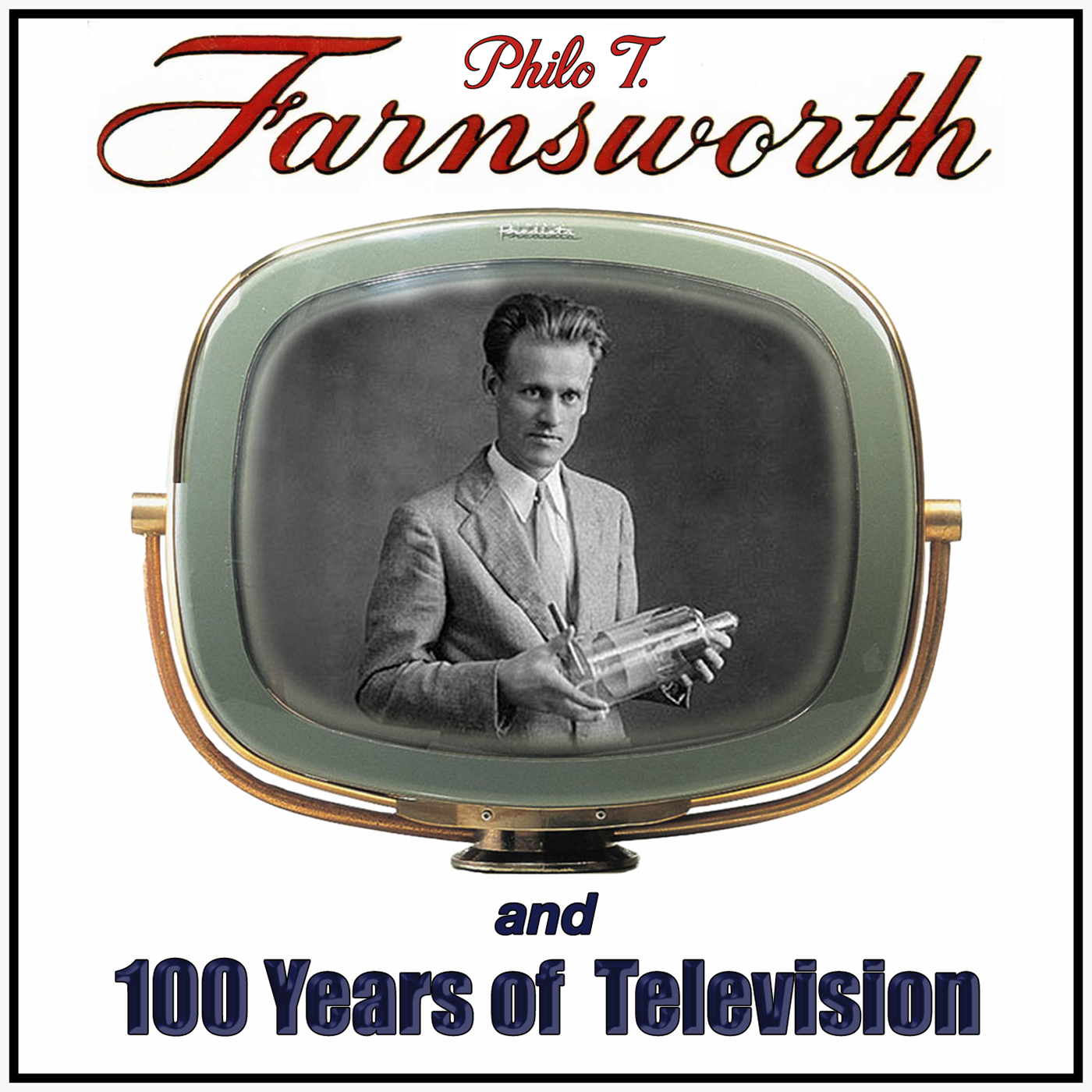
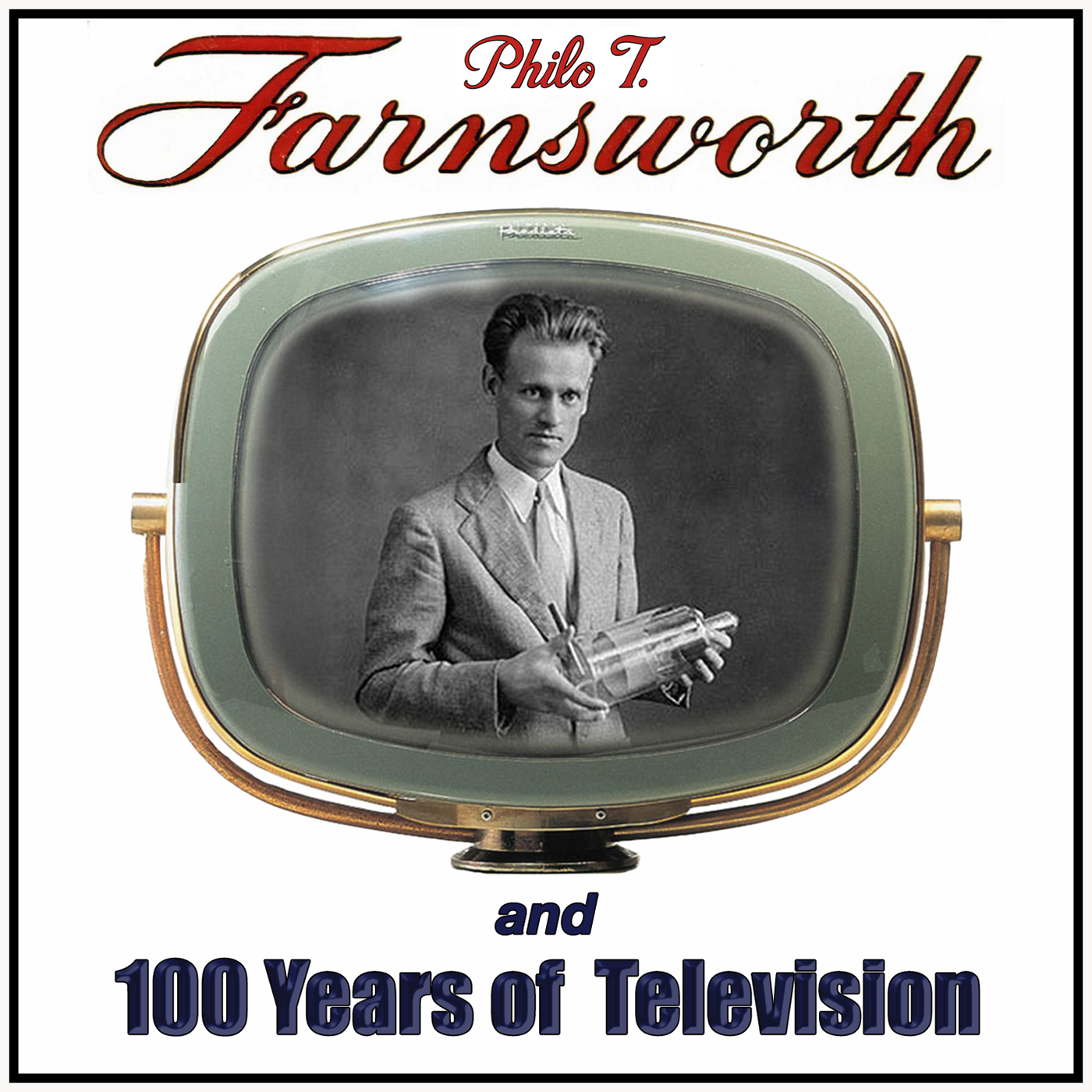
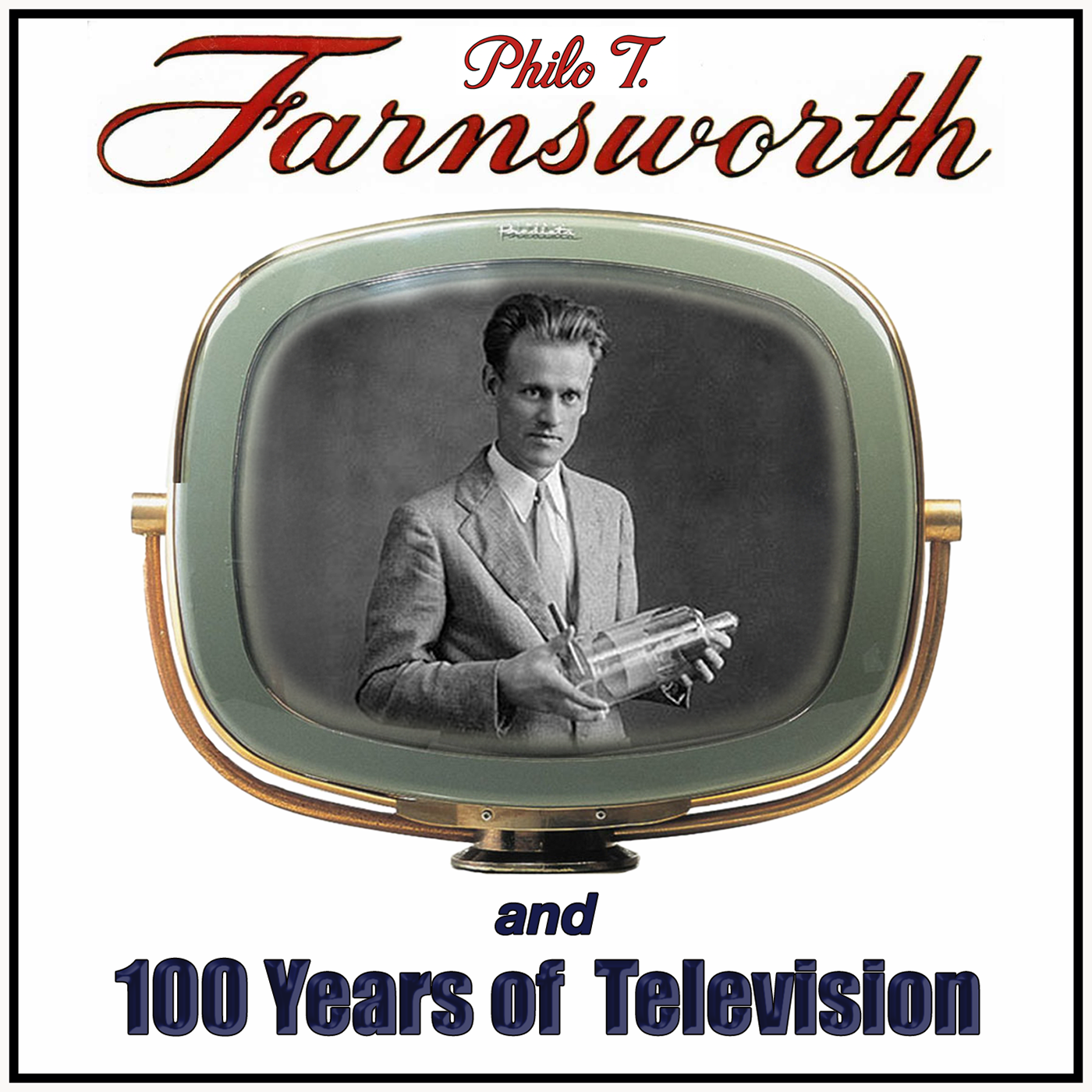
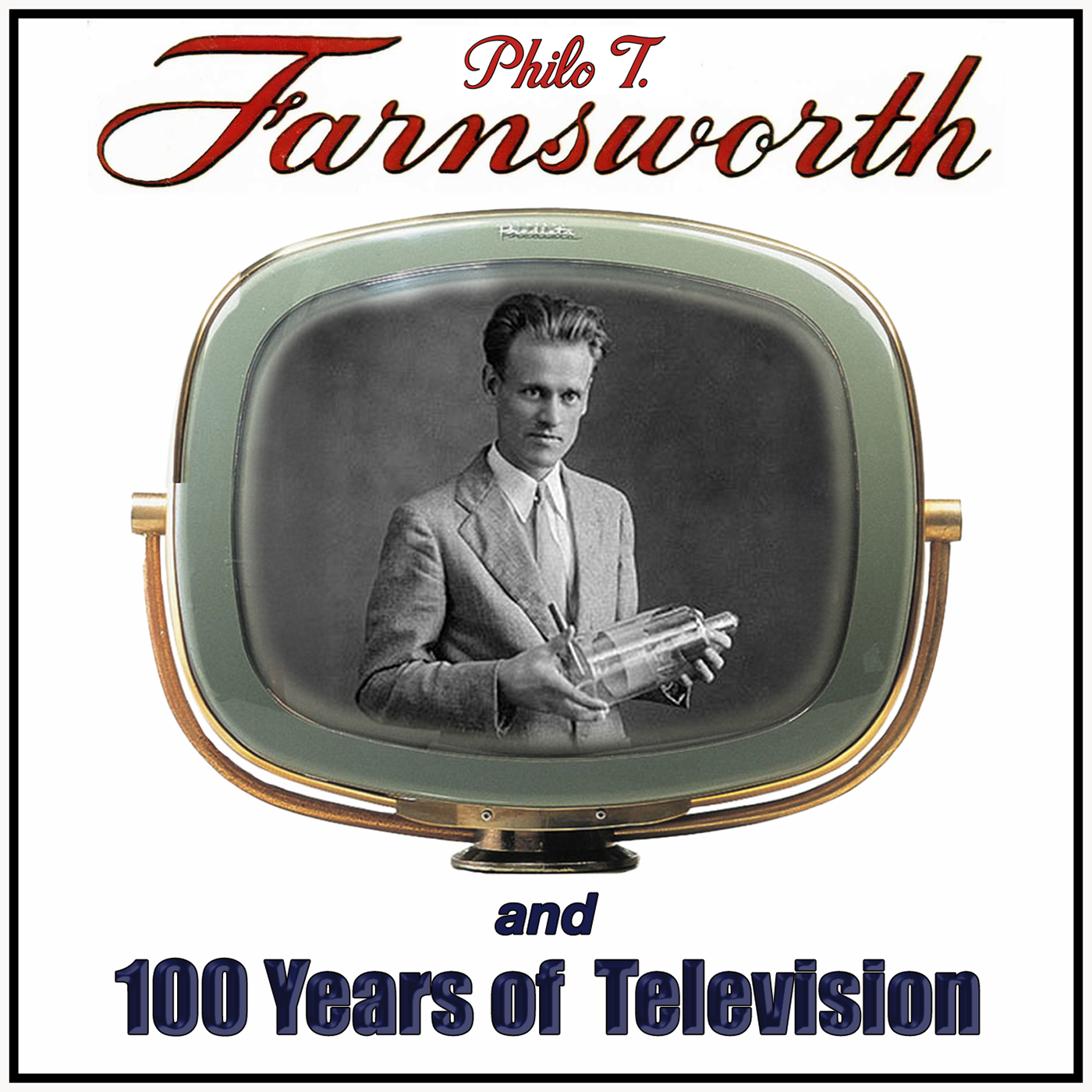
The countdown is pegged to culminate on September 7, 2027, the 100th anniversary of the day Television as we've come to know it was invented. I'm Paul Schatzkin, author of the Boy who Invented Television, the definitive biography of Philo T. Farnsworth, who invented the world's first all electronic television system.
In the last episode, we sat in the peanut gallery with Buffalo Bob, Clarabelle the Clown, and the cast of characters who pioneered children's television with the Howdy Doody Show.
Today we return to the serious adult world of news, politics and public affairs.
Come Thanksgiving weekend in 1947, there were still fewer than 50,000 television sets in all of America, and most of those were still concentrated in the greater New York metropolitan area.
But that Sunday, November 26, witnessed the first regularly scheduled broadcast of Meet the Press, still the longest running program in all of broadcasting history.
Meet the Press was the brainchild of Martha Rountree, a trailblazing journalist and producer, and arguably the first woman of any stature in broadcast news in America.
Born in Florida, raised in South Carolina, Rountree began her career in the 1930s, eventually co founding Radio House, a production company specializing in public affairs programming.
In 1945, Roundtree joined forces with Lawrence Spivak, the publisher of the American Mercury, a political and cultural affairs magazine founded in the 1920s by renowned journalists H.L. mencken and George Nathan.
Spivak wanted a radio program to promote the magazine. Rountree delivered the American Mercury presents Meet the Press, which aired on the Mutual Radio network beginning in 1945.
Rountree was the first host of the program, with Spivak often joining her. The show earned a strong following for its no nonsense format, with Rountree moderating a panel of journalists asking rigorous questions of public figures.
In 1947, NBC was looking for news and public affairs oriented programming and approached Rountree about adapting her radio program for television.
Rountree accepted the offer, but only on the condition that she retain full editorial control, which was rare for any producer at the time, let alone a woman in the male dominated world of broadcast journalism.
NBC's Meet the Press debuted on New York's wnbt Thursday evening, November 6, 1947.
Martha Rountree continued as the host and moderator, making her the first woman to moderate a public affairs program on American television.
The first televised edition of Meet the Press featured James A. Farley, the former Postmaster general and Democratic Party chairman under Franklin Roosevelt. Farley was grilled on camera by a panel of Washington journalists, including Lawrence Spivak.
Three weeks later, the show was slated into the Sunday morning slot, where it has aired continuously ever since.
Every Sunday, some high profile newsmaker sat at a desk facing a panel of journalists. The questioning was sharp and the panelists were not obliged to be polite. Rountree enforced a disciplined structure. No speechifying, no commercials during the interview, and no softball questions.
With television still in its single sponsor era, General Foods backed the show, looking to lend its brand's credibility by aligning with serious public interest programming.
General Foods remained the primary sponsor throughout the 1950s, as Meet the Press became a cornerstone of NBC's growing public affairs and news division.
In 1953, in a mutual decision that some accounts have attributed to a coin toss, Martha Roundtree sold her interest in Meet the Press to Lawrence Spivak, who continued to host the program for more than 30 years.
In the 1950s and 60s, the show's guest list included towering figures from the Cold War.
Dwight Eisenhower, Joseph McCarthy, Richard Nixon, John F. Kennedy, and even Fidel Castro, who was interviewed in Havana in 1959.
Spivak's calm but unflinching style earned the show its reputation as a serious forum, neither a soapbox nor a trap.
The success of Meet the Press inspired a slate of similar programs. CBS followed suit with Face the Nation starting in 1954. ABC's Issues and Answers aired from 1960 to 1981 and ABC this Week from 1981 to today.
PBS created Inside Washington, the McLaughlin Group, and Washington Week. In the 1980s and 90s, cable entered the arena with Fox Sunday and State of the Union on CNN.
After Lawrence Spivak's retirement in 1975, Meet the Press was hosted by a succession of journalists, including Bill Monroe, Garrick Utley and Marvin Cobb.
In 1991, Tim Russert took over and restored the program's faltering prestige and ratings until his sudden death in 2008.
Over nearly eight decades, meet the Press has weathered changes in the media landscape, the political environment and technology.
It has survived the decline of single sponsor television, the rise of cable news, and the fragmentation of audiences in the 21st century.
Its early success demonstrated that television could live up to its mandate to use the airwaves for public service and audiences could see what civic engagement looks like when cameras replaced the stenographer's pad and accountability went coast to coast.
After Tim Russert's death, Meet the Press was hosted by David Gregory and then Chuck Todd.
Todd was replaced by Kristen Welker In 2023, the first woman in the host chair since Martha Roundtree 70 years before.
This brings us to the end of number 86 in the countdown of the top 100 milestones in the first 100 years of television.
Stay tuned for the next episode when we witness the dawn of community access television, or what is more commonly referred to as cable TV.
Thanks for listening to 100 Years of Television, a two year countdown to the centennial of television on September 7, 2027.
For more, aim your gizmo to 100yearstv.com this podcast was written, recorded, edited, engineered and uploaded by me, Paul Schatzkin and is a production of Farnovision.com if television was invented by somebody named Farnsworth, why don't we call it Farnovision?
[00:08:19] Speaker A: They all said we never would be happy. They laughed at us and how but how you got the laughs out now.