Episode Transcript
[00:00:00] Speaker A: They all laughed at Christopher Columbus when he said the world was round they all laughed when Edison recorded sound.
[00:00:10] Speaker B: They.
[00:00:11] Speaker A: All laughed at Wilbur and his brother when they said that man could fly they told Marconi wireless was a phony it's the same old cry.
[00:00:21] Speaker B: Welcome back to 100 Years of Television.
This is episode number 28, countdown number 79 delisted for 100 weeks that started in October 2025.
This podcast is going to recall the top 100 milestones in the first 100 years of television and video.
The countdown is pegged to culminate on September 7, 2027, the 100th anniversary of the day television as we know it first appeared on Earth.
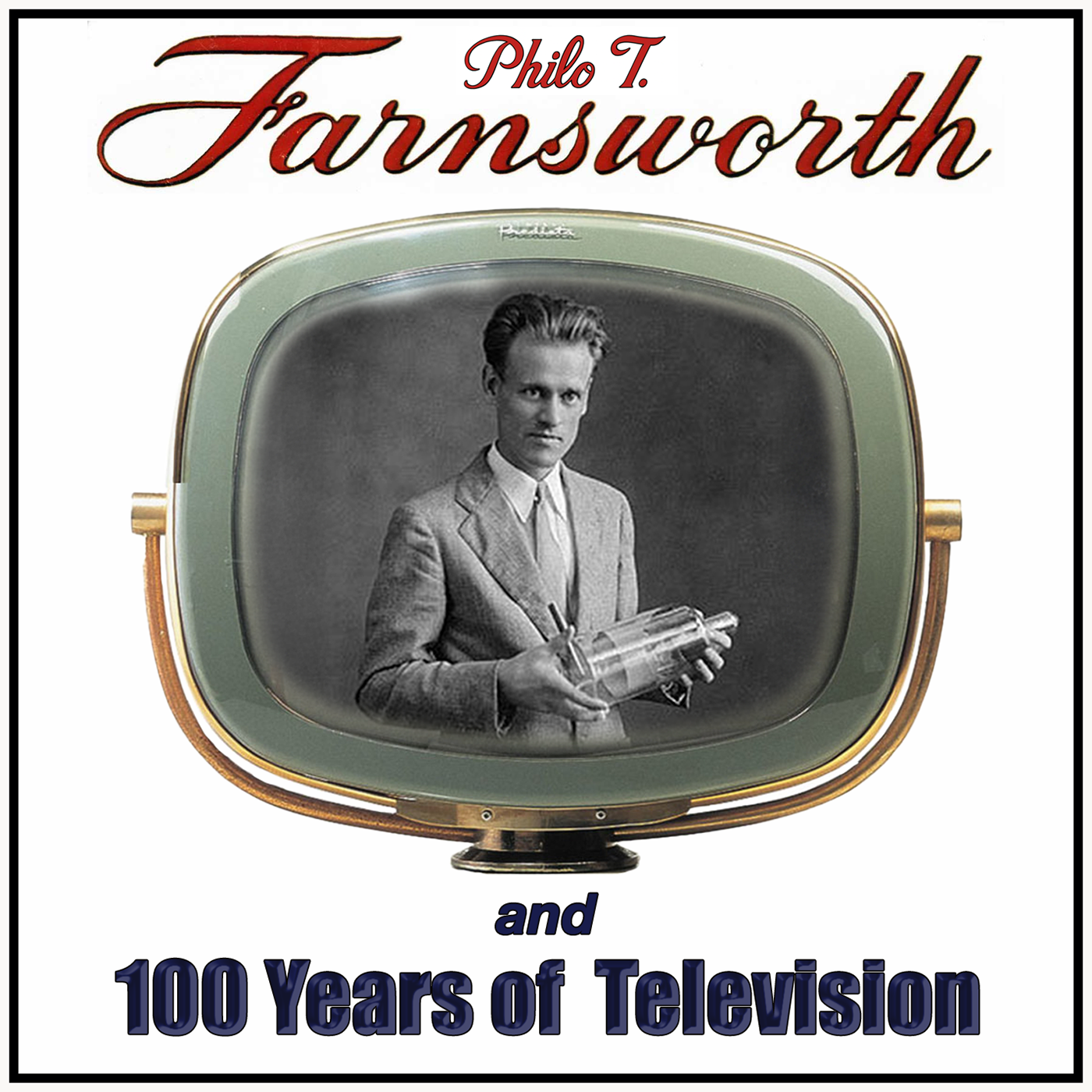
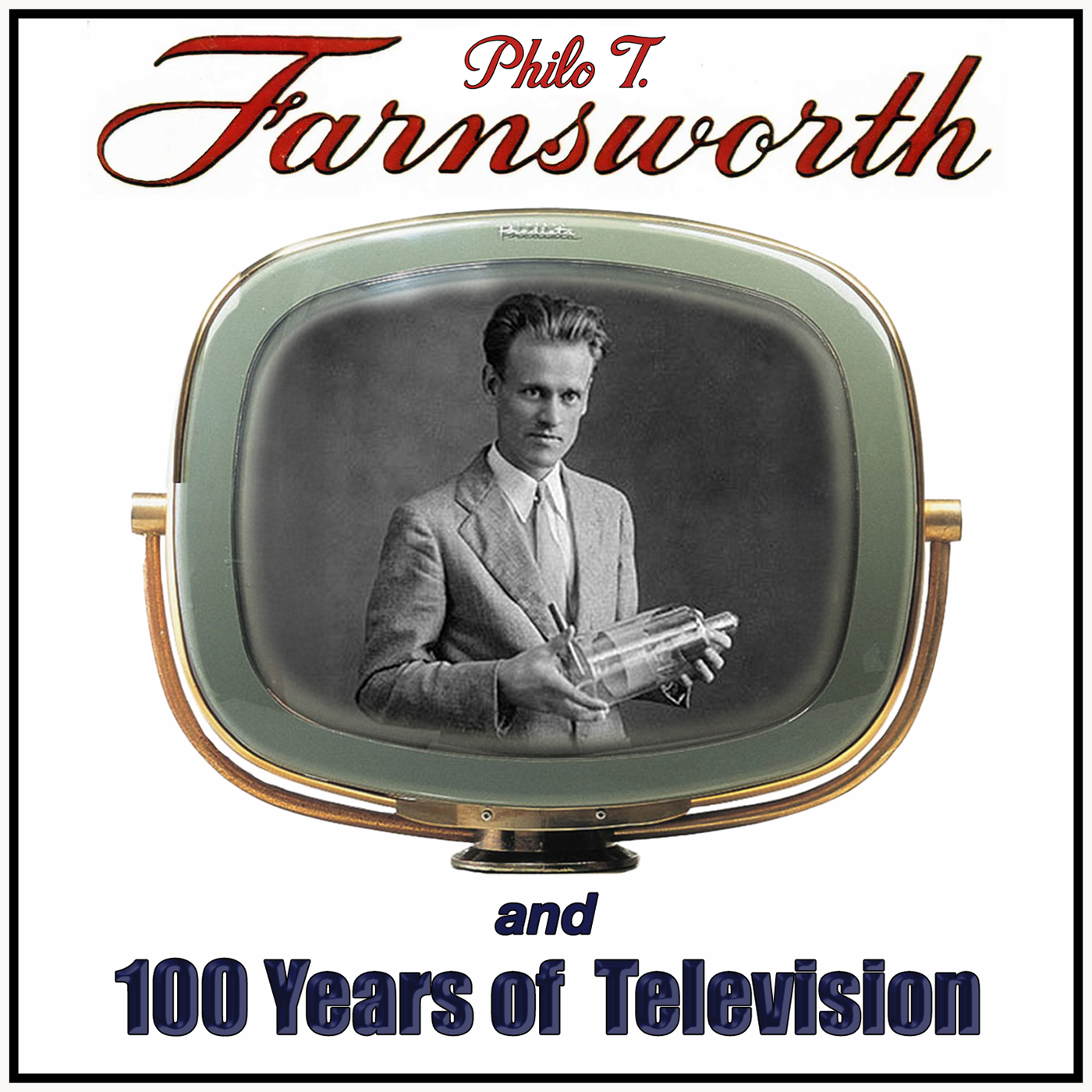
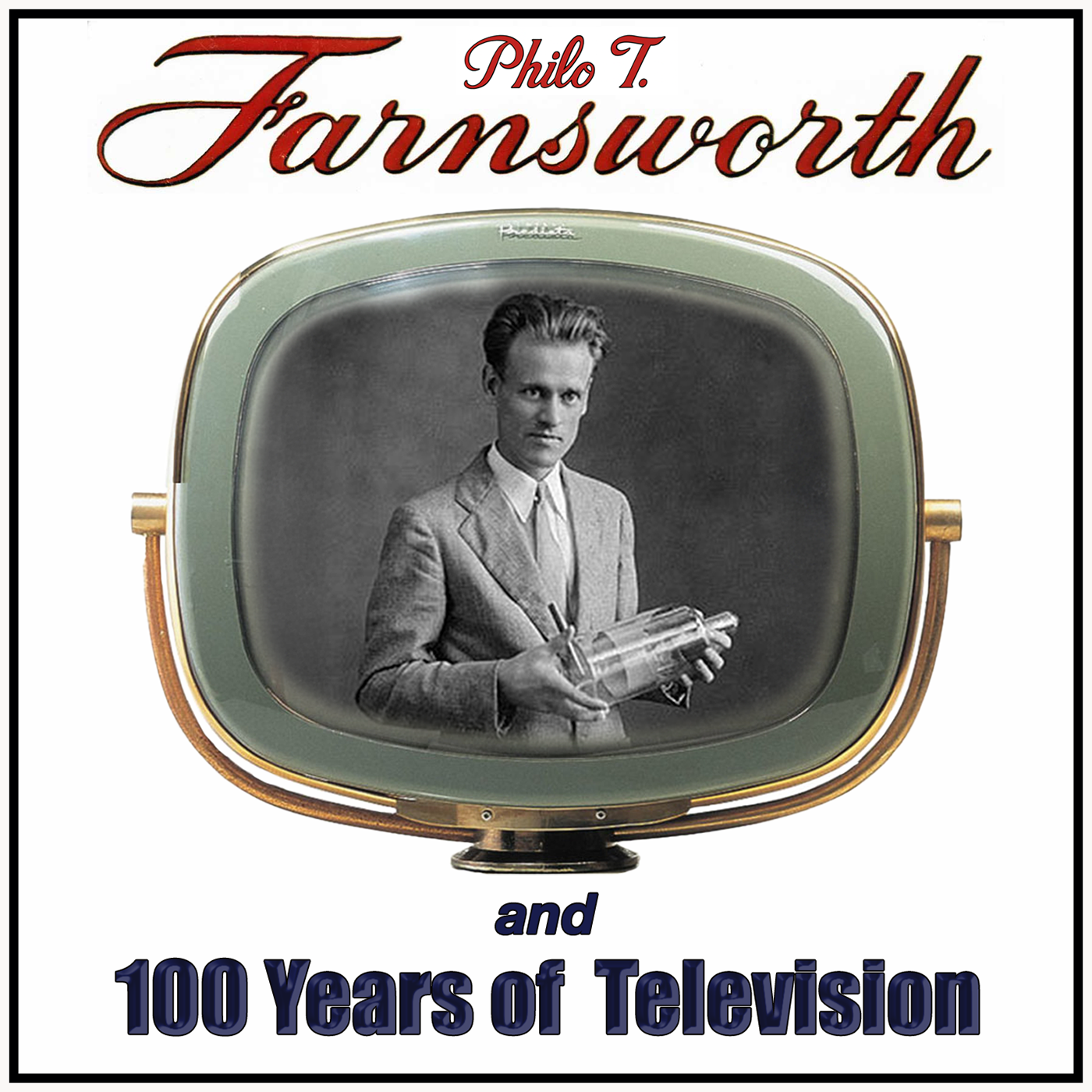
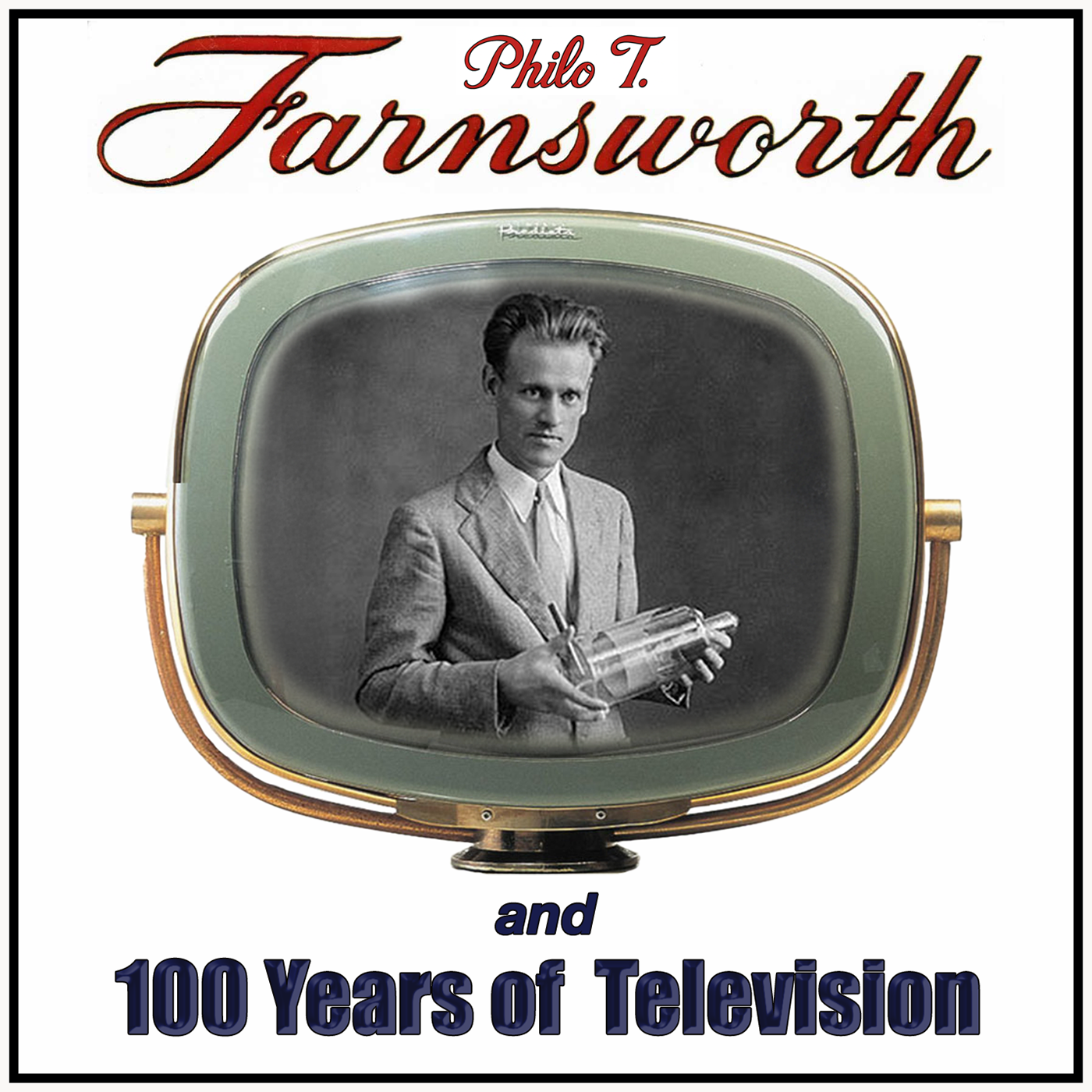
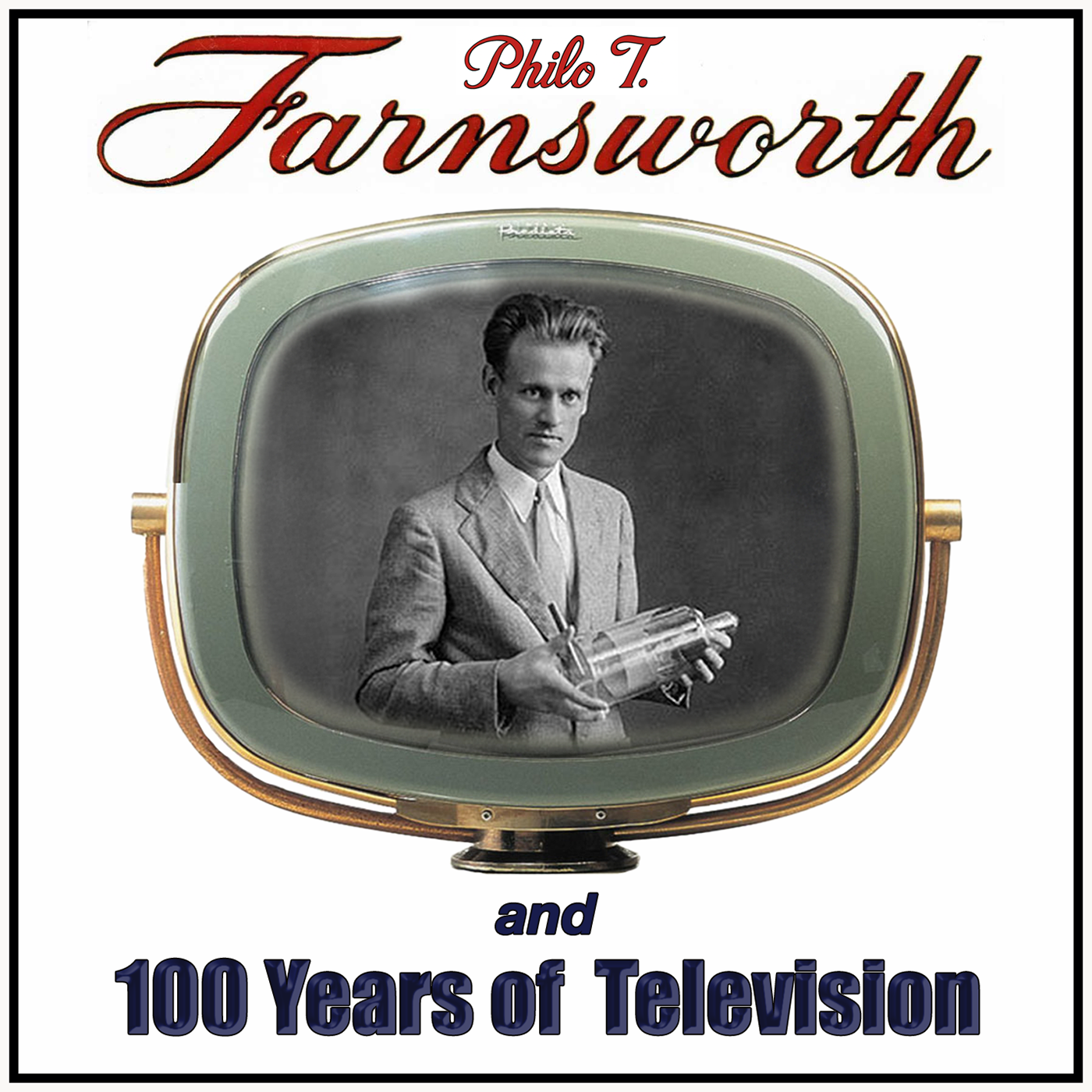
I'm Paul Schatzkin, author of the Boy who Invented Television, the definitive biography of Philo T. Farnsworth, who invented the world's first all electronic television system.
In the last episode, television began selling soap.
Today, the man who invented video begins his retreat from the public eye There are three reasons why the name of Philo T. Farnsworth is not more familiar, despite his having invented what is arguably the most transformative technology of the 20th century, if not the entire millennium.
First, Farnsworth himself rarely sought the spotlight, although he did enjoy what recognition he received. For example, a glowing profile in the October 1936 edition of Collier's Weekly described him as an immers force in the burgeoning television industry, which was destined to find its way into many American homes by Christmas 1937.
This prediction reflected a common sentiment in the mid-30s that commercial television was just around the corner, a corner that turned out to be World War II.
And in 1939, biographer Derward Howard named 33 year old Farnsworth one of America's top 10 young men, alongside such house household names as Lou Gehrig and Spencer Tracy.
The second reason Farnsworth is not more familiar is that there were numerous pretenders to the crown.
Chief among those were rca, David Sarnoff and Vladimir Zworikin.
Sarnoff wanted the world to remember only him as the father of television, and Zworkin was more than willing to go along in litigation with Farnsworth. In the 1930s, RCA tried to use Zworkin's 1923 patent application to pry Farnsworth from his patents. The litigation failed on all the counts that mattered, but RCA still managed to get that 1923 date into the historical record.
Across the Atlantic, the Brits still insist that John Logie Baird invented television despite his reliance on a mechanical system that Farnsworth rendered obsolete in 1927.
Baird was even compelled to license Farnsworth's patents in 1934 in order to stay in the business, though he still lost out when the BBC began regular television service in 1936 with equipment from EMI, a transatlantic partner of RCA.
These and other competing claims have fueled the perception that television was just too complex to have been invented by any single individual.
And while it is undeniable that television is a complex technology, there was one pivotal invention that made it all possible, and one inventor who showed the rest of the world how it would ultimately be done.
But the third and most compelling reason Farnsworth's name is not more familiar is that he was not survived by a company that could preserve his legacy.
Think, for example, of Walt Disney, who died in 1966, but left behind a corporate legacy that has lasted for generations.
You might reasonably expect the same for the man who invented something as world changing as television.
Philo Farnsworth never wanted anything more than to just be an inventor.
His idols were Edison, Bell, Marconi and the other Pivotal figures of 19th century science and invention.
But by the time Farnsworth was able to set up a proper laboratory in 1926, the companies formed by those predecessors dominated a landscape that was already carved up among a handful of large companies like RCA, AT&T, General Electric and Westinghouse.
As an independent operator with no manufacturing base to draw on, Farnsworth was always hard pressed for funds.
There's no question that television was a capital intensive invention.
But the fact that his patents were tied up in litigation stalled the prospect of collecting royalties on those patents.
Consequently, he frequently fought with his own investors over the funding of his operations.
Farnsworth was embattled on three fronts. His natural habitat was his laboratory, where he and his small but dedicated lab gang built daily improvements into the humming electronic gizmos on their workbenches. Their camaraderie also gave Farnsworth occasional opportunities to explore new frontiers.
He was much less comfortable in the depositions and legal proceedings required to defend his patents.
And then there were the frequent demands of his investors to cut back on his expenses that were still financed out of their pockets or by selling stock in a company that still had no revenue.
It all came to a Head in 1936, right after the patents that Farnsworth had filed for radar were abandoned when Farnsworth's principal investor, a man named Jess McCarger, stormed into the laboratory and fired the entire staff.
Farnsworth managed to persuade some to return, but he and his trailblazing operations never fully recovered.
A resolution of sorts was arranged with the formation of Farnsworth Television and Radio Corporation.
Investment bankers from New York arranged the acquisition of the Capehart Company, a phonograph and jukebox manufacturer in Fort Wayne, Indiana. And with an IPO of $3 million, that's roughly 70 million in today's dollars.
FTR was listed on the New York Stock Exchange on March 31, 1939.
Farnsworth was never keen on an enterprise he derided as tacking on the shipping room door.
His instincts leaned more toward building a pure invention factory. Like Thomas Edison once operated in Menlo Park, New Jersey.
But absent the revenue from patent royalties, manufacturing first radios and phonographs and televisions when the market finally opened, offered the soundest course for building a lasting enterprise.
By the time all the operations were relocated to Indiana, Farnsworth was suffering health issues from all the stress and retreated to a homestead in the woods of Maine.
There is not much more he could do personally to advance television, but he was starting to have other ideas that he needed time and space to explore.
In addition to building a fully equipped private laboratory on his main property, he dammed up a stream and spent the war years fishing for trout and for the mysteries of the universe his inventions had revealed to him.
Though his thoughts were focused elsewhere, Farnsworth didn't ignore the war altogether. He and his brothers started a wood mill and selectively logged their property for pine to make boxes for bullets that were shipped to the front.
In 1941, Farnsworth was invited to join a secret project in Los Alamos, New Mexico.
I think they're going to build an atomic bomb, he said to his wife, and I want nothing to do with it.
That might have made him the most renowned scientist of the day who did not participate in the Manhattan Project in Fort Wayne, Indiana. The company that now bore his name produced military communications and radar equipment worth more than $100 million over the course of the war.
But the company took on too much debt to acquire more capacity.
When the war ended and the economy returned to a peacetime footing, FTR was slow to retool its operations or shore up its balance sheet.
By 1949, the company that had been formed to meet the demand for televisions with products branded for its namesake inventor was on the verge of bankruptcy. Just as the industry he'd created was taking off.
Farnsworth returned to Fort Wayne to lend whatever support he could to restoring the company. But it was already too late.
Rather than file for chapter 11, the board of directors accepted an offer for acquisition from the International telephone and telegraph company for what amounted to pennies on the dollar.
On February 7, 1949, the ticker symbol FTR was quietly vanished from the New York Stock Exchange and Philo Farnsworth spent the remainder of his career as an employee of ITT.
This brings us to the end of number 79 in the countdown of the top 100 milestones in the first 100 years of television.
Stay tuned for the next episode when another pioneering woman, Tillie Edelstein, changes her name to Gertrude Berg and brings the situation comedy to television.
Thanks for listening to 100 Years of Television, a two year countdown to the centennial of television on September 7, 2027.
For more aim a gizmo to 100yearstv.com this podcast was written, recorded, edited, engineered and uploaded by me, Paul Schatzkin and is a production of Farnovision.com if television was invented by somebody named Farnsworth, why don't we call it Farnovision?
[00:11:16] Speaker A: They all said we never would be happy. They laughed at us and how but how we got to laugh right now.