Episode Transcript
[00:00:00] Speaker A: They all laughed at Christopher Columbus when he said the world was round they all laughed when Edison recorded sound they all laughed at Wilbur and his brother when they said that man could fly they told Marconi Wireless was a phony it's the same old project welcome back
[00:00:21] Speaker B: to 100 Years of Television.
This is episode number 41, Countdown 66.
Hey kids, you can play along at home for 100 weeks that started in October 2025.
This podcast is going to recall the top 100 milestones in the first 100 years of television and video.
The countdown is pegged to culminate on September 7, 2027, the 100th anniversary of the day television as we know it was invented.
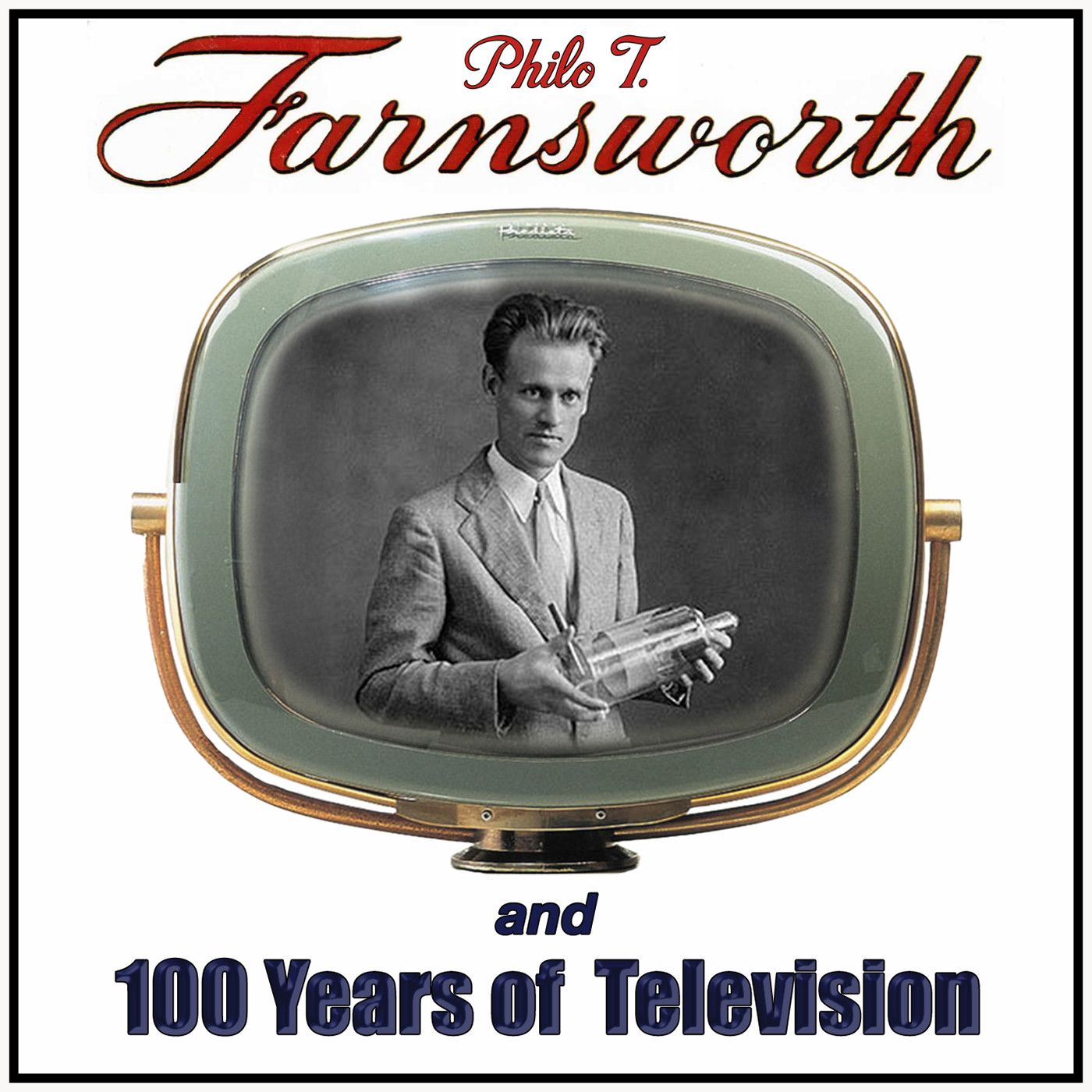
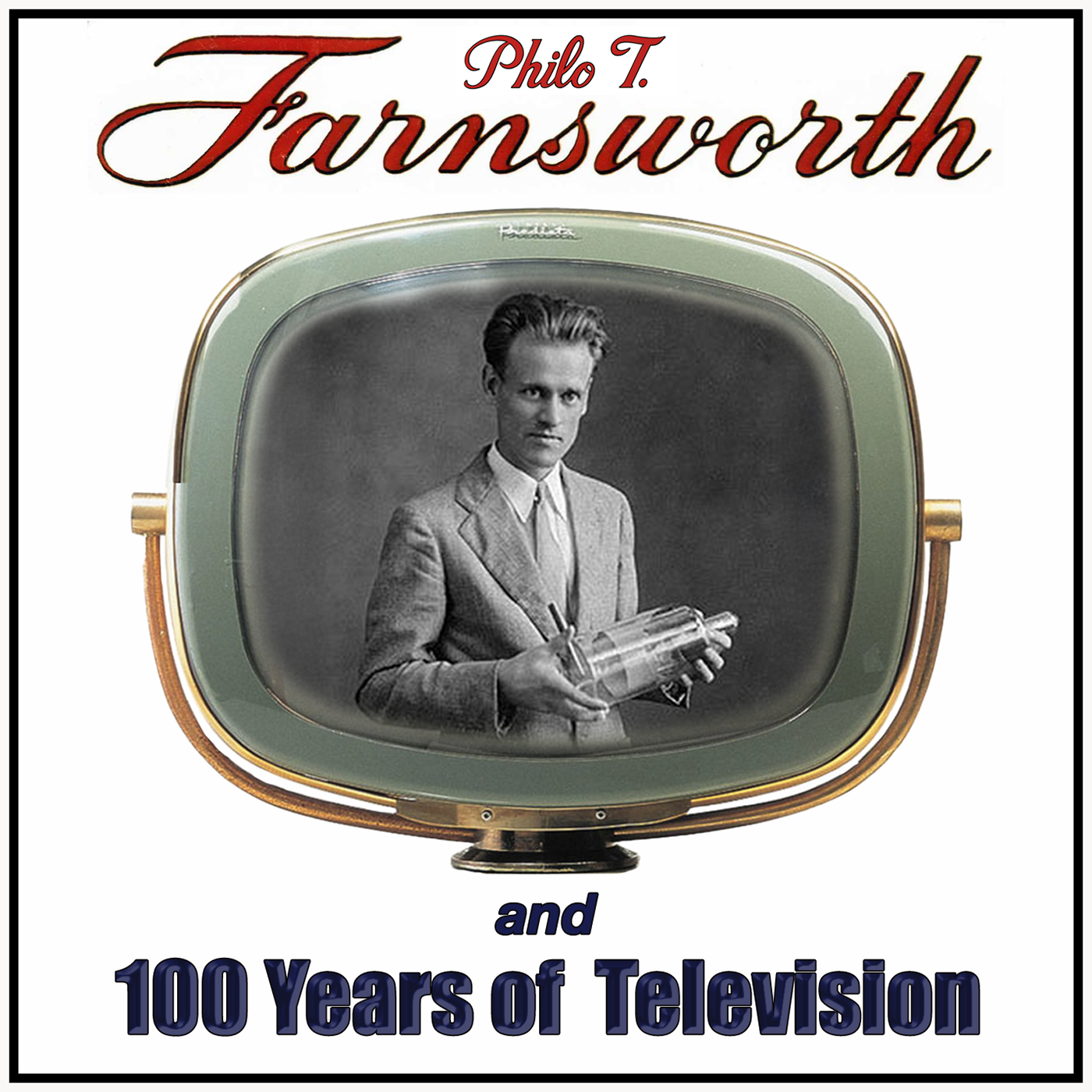
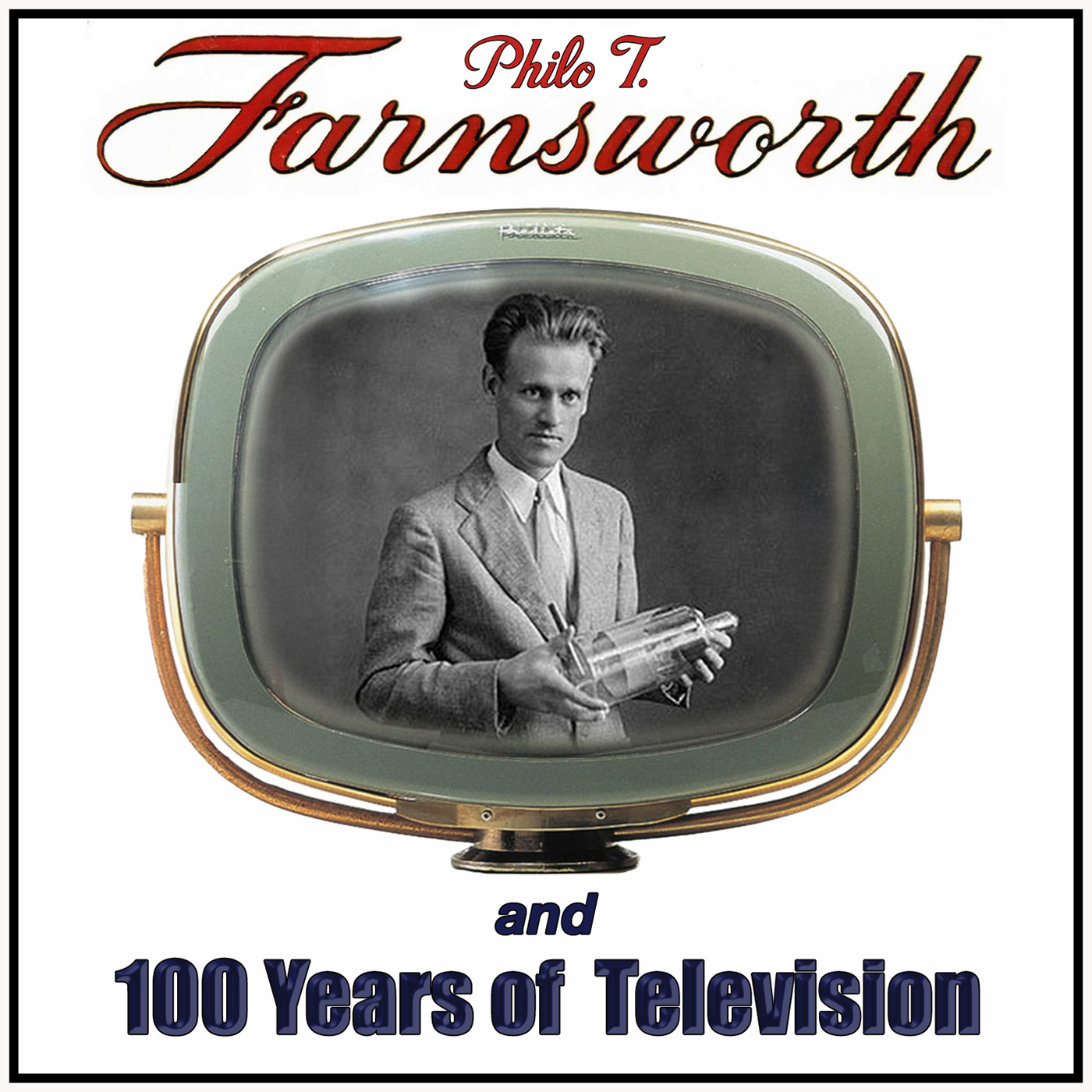
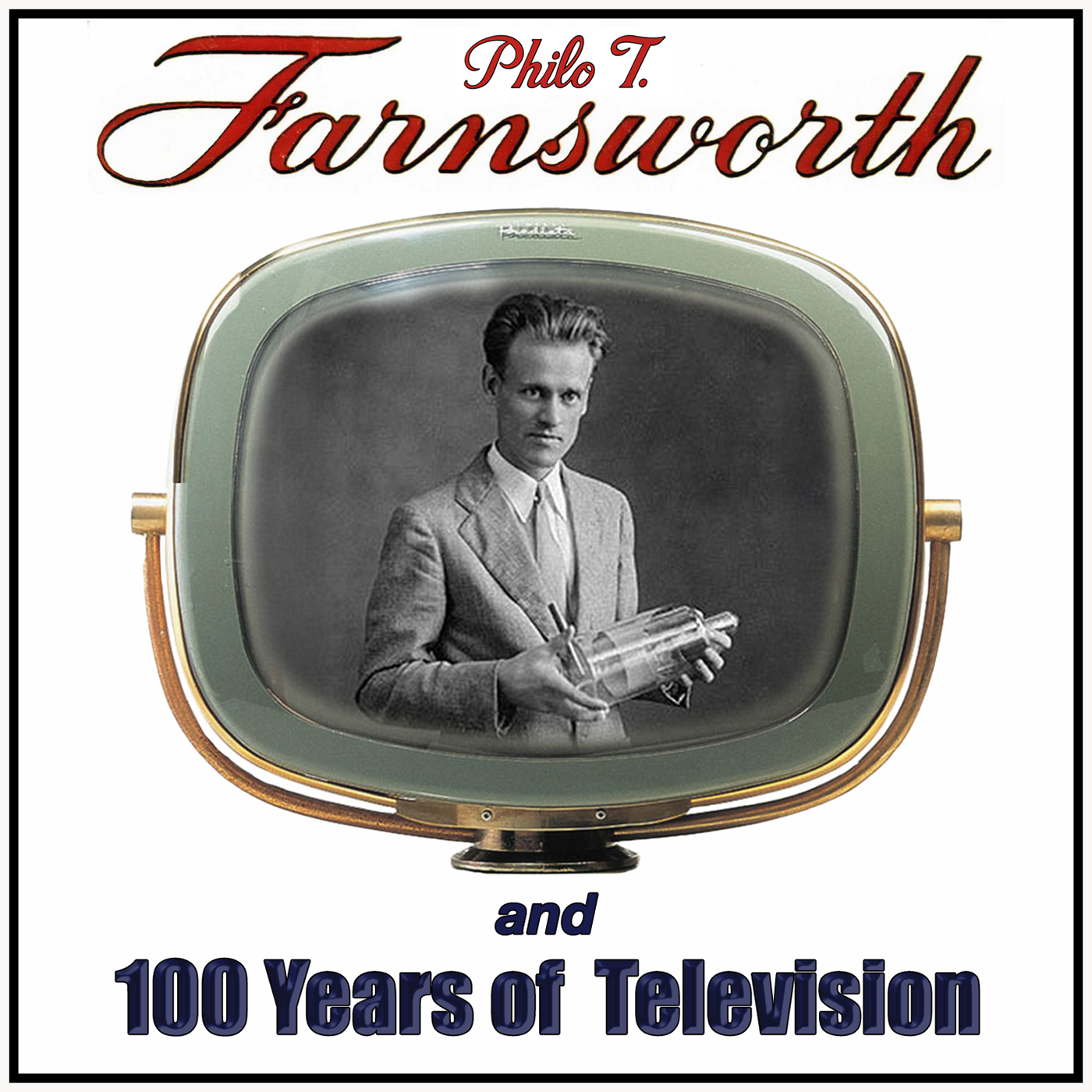
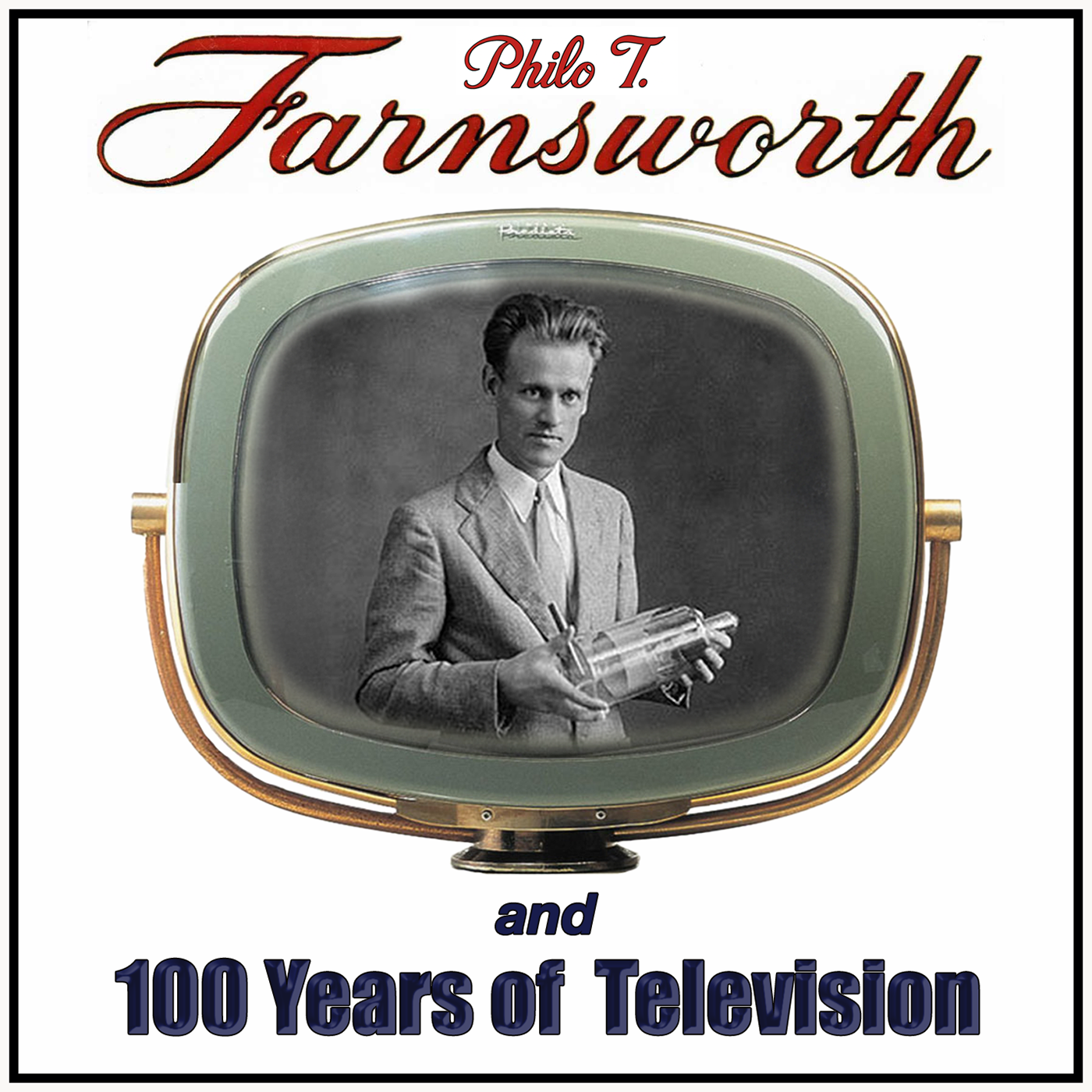
I'm Paul Schatzkin, author of the Boy who Invented Television, the definitive biography of Philo T. Farnsworth, who invented the world's first all electronic television system.
In the last episode, we saw how listing television programs in a popular magazine was was at least as lucrative as the programs themselves.
Today, television goes interactive.
Three decades before Steve Jobs saw a mouse or Bill Gates made a window, there was Winky Dink.
If you grew up with smartphones and video games, it might be hard to fathom how kids in the 1950s interacted with their televisions by drawing directly on the screen with crayons.
No, we didn't draw directly on the surface of the cathode ray tube, at least not if we wanted to live long enough to see another cartoon.
What we did was place a sheet of transparent vinyl over the screen and draw on that.
When the first episode of Winky Dink and you'd aired on CBS on October 10, 1953, host Jack Barry urged the kids in the audience, with their parents help, of course, to send away for the Winky Dink kit so they could assist the show's characters in their escapades.
The address was flashed on the screen. Send 50 cents to Winky Dink. CBS TV New York and the network followed up with Cross Promotions in TV Guide.
After the first few weeks, the kit was offered at local toy and department stores when the mail order system alone couldn't keep up with the demand.
For their half a buck, about $6 in 2026, kids received a colorful box.
Inside was a clear vinyl sheet, a magic cloth that caused the vinyl to adhere to the TV screen. With static electricity and several magic crayons to draw on the vinyl. With Winky Dink and you'd was created by Edwin Brit Wyckoff, a writer and producer with experience in children's media, and Jack Schlain, a production manager at cbs.
Their concept was as ingenious as the production was primitive.
The central character of the show was Winky Dink, a wide eyed, squeaky voiced cartoon boy.
The animators created illustrations with blank spaces timed to cues in the story.
In the course of his comic adventures, when Winky came to a river he needed to cross or a wall he needed to get through, he could stop and turn to his viewers for help.
Get out your Winky Dink screen, Winky said.
And then millions of kids were instructed to draw a bridge across the riverbanks or a door through the wall with their magic crayons onto the magic screen stuck to their TVs.
After sufficient pause, the animation would continue with Winky proceeding as if the children's doodle had truly become part of his cartoon world.
The illusion was simple but effective.
By combining simple animation with on screen prompts, Wyckoff and Schlane demonstrated that the new medium could be more than a passive diversion.
For the first time, the kids who were raised on TV were invited to become part of the story.
Some estimates put the number of Winky Dink kits sold across the country at around 2 million. With a peak audience of some 10 million children tuning in each week.
CBS regarded Winky Dink as one of the first successful bits of television merchandising. It wasn't just a toy tie in. It was essential to the show's function, which made uptake unusually high for a kids program.
Winky Dink and you ran on CBS Saturday mornings from 1953 till 1957.
Unfortunately, within its genius lay the twin seeds of its demise.
First, though, they could somehow afford the seeming extravagance of a television set. In the 1950s, there were countless families who could not afford the additional 50 cents. Later, a whole dollar for the Winky Dink kit.
Those kids just drew directly on the TV screen with their own not so magic crayons, no doubt causing apoplexy among their parents.
And there was growing concern that by sitting close enough to the TV screen to draw on it, kids might be exposed to harmful radiation from the crt.
It is tempting to dismiss Winky Dink as a gimmick from the early years of tv. But it should also be regarded as the first indication of what video could ultimately deliver.
The idea that a viewer might become a user was as radical in the 1950s as it is entirely commonplace today.
It is no exaggeration to say that Winky Dink and you presaged the ubiquity of interactive media.
Decades before joysticks, keyboards, touchscreens, or hyperlinks, the kid doodled bridges and doors of WinkyDink in the 1950s foreshadowed the paddles of Pong in 1972, the avatars of Pac man in 1980, and the cursor clicks of the World Wide web in the 1990s.
The physical act of adhering a transparent sheet to the screen suggested that television could be more than an impenetrable glass panel it could also be a window through which things could be layered and manipulated.
Perhaps most notably, Winkydink offers a novel example of the 1950s spirit of experimentation with a medium looking to find its own forms.
Winky Dink proved that kids would engage eagerly with interactive elements, foreshadowing the participatory ethos of children's programming from Blue's Clues to Dora the Explorer.
More profoundly, it demonstrated that audiences wanted to do more than just watch. They wanted to play.
After Winkydink experienced a brief revival in the 1960s, the concept reappeared with plastic overlays for early home game consoles like the Magnavox Odyssey in the early 1970s, which came with static overlays for Pong like games.
By then, educational television had shifted to programs like Sesame street, and truly interactive video games were just around the corner.
Industry veterans and cultural historians often cite Winky Dink as the first interactive television program.
Indeed, no less in authority than Microsoft founder Bill Gates has cited Winky Dink as the seminal example of interactive TV and the first direct forerunner of the interactive digital and video world of the 21st century.
This brings us to the end of number 66 in the countdown of the top 100 milestones in in the first 100 years of television.
Stay tuned for the next episode, when the monochrome displays of the 1950s give way to the dazzling new world of living color.
Thanks for listening to 100 Years of Television, a two year countdown to the centennial of television on September 7, 2027.
For more, just aim a gizmo to 100years tv.com this podcast was written, recorded, edited, engineered and uploaded by me, Paul Schatzkin, and is a production of Farnovision.com if television was invented by somebody named Farnsworth, why don't we call it Farnovision?
[00:09:27] Speaker A: They all said we never would be happy, they laughed at us and ha.
But ho ho ho.
The Lazarus.