Episode Transcript
[00:00:00] Speaker A: They all laughed at Christopher Columbus when he said the world was round they all laughed when Edison recorded sound they all laughed at Wilbur and his brother when they said that man could fly they told Marconi wireless was a phony it's the same old cry they laughed
[00:00:21] Speaker B: welcome back to 100 Years of Television.
This is episode 45 Countdown 62 Shake, Rattle and ratings for 100 weeks that started in October 2025. This podcast is going to recall the top 100 milestones in the first 100 years of television and video.
The countdown is pegged to culminate on September 7, 2027, the 100th anniversary of the day television as we first appeared on Earth.
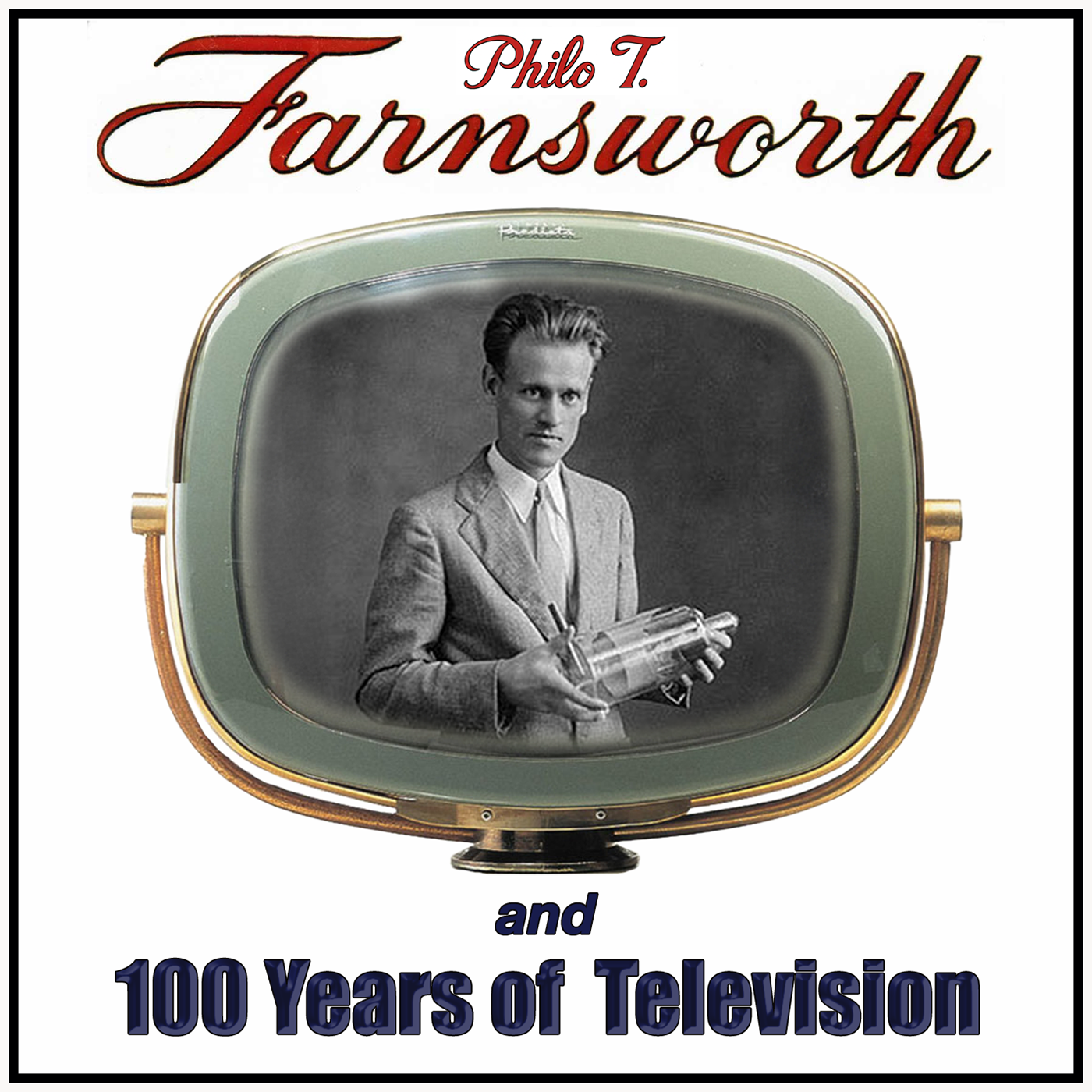
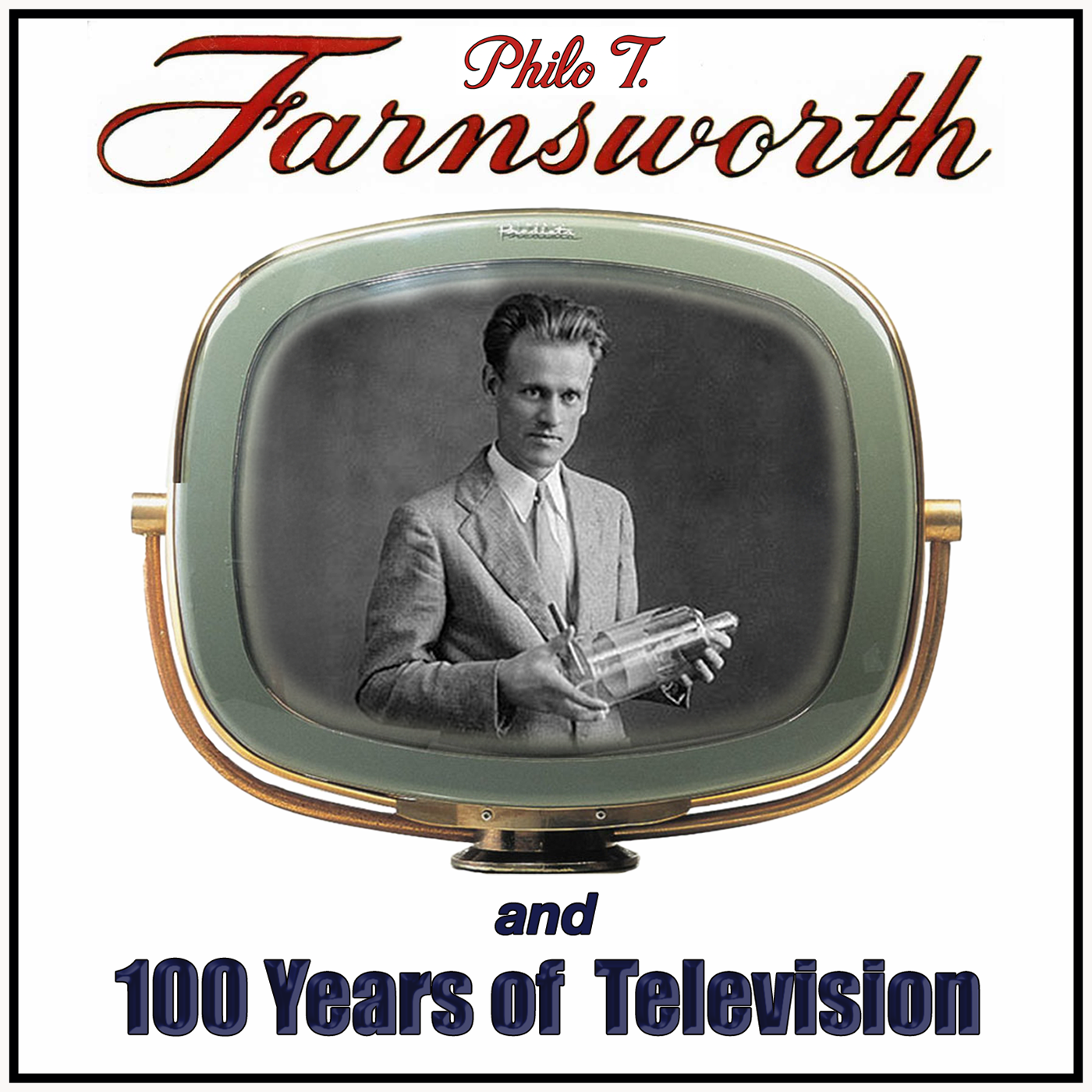
I'm Paul Schatzkin, author of the Boy who Invented Television, the definitive biography of Philo T. Farnsworth, who invented the world's first all electronic television system.
In the last episode, Ralph Kramden sent Alice to the moon in the Honeymooners. Today, Elvis gets cut off at the waist Ed Sullivan was not the kind of personality you'd expect to find at the summit of the country's cultural mountaintop, but by 1956 he was the weekly host of the top rated variety show on television.
Edward Vincent Sullivan was born on September 28, 1901 in New York City.
His father, Peter Sullivan, was a customs inspector of Irish descent. Like his mother, Elizabeth, the Sullivans lived in a working class, mostly Irish neighborhood in Harlem, where the intensely urban Irish American experience shaped his pragmatic, stoic Persona.
As a teenager, Sullivan took up boxing training and sparring at neighborhood gyms. Though he never fought professionally, he was mostly looking for recreation and access to the tightly knit world of sports in New York.
By the time he finished high school in 1920, the connections he'd made led him into journalism. Starting with short pieces he wrote for the New York Evening Graphic and the Morning Telegraph, two papers well known for their sports and entertainment coverage.
By his early 20s, Ed Sullivan was a full time sports writer and columnist, first covering boxing and baseball, then taking on theater and showbiz gossip.
When the Evening graphic folded in 1932, Sullivan started writing a column called Little Old New York for the Daily News, which placed the column prominently and syndicated it nationally.
By 1936, little old New York was appearing in dozens of papers across the US And Sullivan became one of the country's leading entertainment columnists.
His mix of Broadway reviews, celebrity gossip and nightclub chatter put Ed Sullivan in the same league as more familiar Broadway columnists like Walter Winchell.
After a long run in print, Sullivan shifted to broadcasting in the late 1930s, hosting programs that carried his mix of Broadway chatter and celebrity interviews to a national radio audience.
During World War II, he organized USO shows for American troops and contributed morale boosting columns to military publications like Stars and Stripes.
After the war, Sullivan's reputation as a talent broker and show business insider brought him to the attention of cbs, which was developing a Sunday night variety show for television.
Sullivan was hardly blessed with the kind of charisma or comic timing that came naturally to contemporaries like Milton Berle or Sid Caesar. He spoke stiffly, smiled rarely and gestured awkwardly.
But his gift was not performance, it was curation.
The audience he'd attracted and the industry network he'd built was enough for CBS to anoint him as the ringmaster of Toast of the Town when it premiered on Sunday, June 20, 1948.
Through the early 1950s, Sullivan's flair for booking headline acts from opera singers and comedians to baseball stars and boxing champions, made Toast of the Town one of the most watched programs on cbs.
Its ratings consistently placed Toast of the Town among the network's top 10 shows, often ranking alongside or even ahead of Burrell's Texaco Star Theater and Sid Caesar's yous Show of Shows. That steady performance convinced CBS to drop the generic title in September 1955 and rename its Sunday night tentpole the Ed Sullivan Show.
What set Ed Sullivan apart from his competition was his instinct for what the public wanted to see, often before the public knew it wanted to see it. And one of his most radical instincts was his insistence on featuring black artists on national television.
The very first episode of Toast of the Town featured the black vaudeville dance team of Dewey Pygmeat Markham and Johnny Lee. At a time when many sponsors balked at integration on television, Ed Sullivan stood firm.
When a CBS affiliate in the south threatened to cut away during an appearance by Lena Horne, Sullivan famously told them, they could go dark for all I care.
Ed Sullivan's quiet determination to present black artists as equals garnered both admiration and death threats.
But to Sullivan, entertainment was America's common language. If a performer could move an audience, they belonged on his stage.
When CBS censors suggested he might refrain from social gestures like air kisses and handshakes, Sullivan brushed them off, saying, the most important thing we put on our show is everything but bigotry.
Which brings us to one of the most iconic and ironic of the roughly 10,000 performers that Ed Sul presented in some 1,100 shows over nearly a quarter century.
On September 9, 1956, an estimated 60 million viewers, the largest television audience ever to date tuned in not for one of Sullivan's barrier breaking black artists, but for a white southerner who some accused of stealing black artists sound and style.
Elvis Presley.
Contrary to popular memory, that September 1956 appearance on the Ed Sullivan show was not the first time Elvis Presley appeared on television.
He'd appeared on several regional shows before appearing in January 1956 on CBS's stage show hosted by big band veterans Tommy and Jimmy Dorsey.
Those appearances introduced Elvis as a polite, energetic southern boy with a curious blend of country twang and rhythm and blues swagger.
Six months later, on June 5, 1956, Elvis appeared on NBC's Milton Berle Show.
This time he was dressed in a loud checked jacket and performed his recent hit Hound Dog in a slower, more suggestive version than the record.
Punctuated by the hip gyrations that scandalized the nation.
Critics called his performance vulgar. One newspaper called him a juvenile delinquent.
The controversy deepened a month later when Elvis appeared on the Steve Allen Show.
Ever the urbane satirist, Allen tried to neutralize the uproar by having Ellis Perform Hound Dog 2, an actual basset hound wearing a top hat.
The bit drew laughs, but it also made Elvis look ridiculous.
Ed Sullivan had publicly vowed that he would never book Elvis Presley. He considered the young singer's onstage gyrations indecent and sought to keep his show above the hysteria.
That reticence lasted only until Presley's appearance on the Steve Allen show drew higher ratings than the Ed Sullivan Show.
Sullivan quickly signed ELVIS to a three show contract worth a then staggering $50,000. That's more than half a million in $2026, the biggest sum ever paid to a single performer for a television engagement.
The first Sullivan appearance was arranged for September 9, 1956.
At the time, Sullivan himself was recuperating from a serious auto accident.
So the show that night was hosted from New York by actor Charles Laughton while Elvis and his band performed live from CBS Television City in Hollywood.
The screen showed Elvis in a plaid jacket, but the cameras famously kept him framed from the waist up as he performed Don't Be Cruel. The studio audience in Los Angeles, who could see everything below the waist that the television audience could not, screamed in adoration.
Elvis followed with the ballad Love Me Tender. A preview of his first movie later came Ready Teddy and Hound Dog, complete with the moves that had alarmed America's moral guardians.
Ed Sullivan himself was back in his familiar spot at CBS Studio 50 when Elvis made his second appearance on October 28, 1950. 6.
Before a nationwide audience of nearly 57 million viewers, Elvis performed Don't Be Cr, Love Me Tender, Hound Dog and Love Me.
At Sullivan's behest, Elvis toned down his stage movements, but the charisma and appeal remained, especially to the screaming teen girls in the audience.
Some of the press grudgingly admitted that the boy could sing, but the country's moral watchdogs continued to denounce his contortions and jungle rhythms for corrupting America's youth.
The third appearance aired on January 6, 1957, by which time the Elvis hysteria had become something of a national phenomenon.
Sullivan continued to insist on a modicum of propriety, and again cameras exposed Presley only from the waist up.
That night, he sang the familiar Hound Dog, Don't Be Cruel, Love Me Tender, and When My Blue Moon Turns to Gold again.
Then Elvis revealed a quieter, almost plaintive side of his character when he dipped into his gospel repertoire for a reverent rendering of Peace in the Valley to close out the show.
This time, limited camera angles served to amplify the stately power of Elvis Presley's voice.
This third and final appearance on the S. Sullivan show again reached more than 50 million viewers, cementing Presley's dominance of music, television and film for the two decades that followed.
By the end of his three appearances, Ed Sullivan's personal ambivalence toward Elvis Presley eased into genuine admiration.
Regardless of the controversy around his pelvic antics, Sullivan could see the sincerity and artistic integrity that drove the spectacle.
After the final performance, Sullivan greeted Presley on stage and told the audience that Elvis Presley was a real, decent, fine boy.
In the months that followed his Sullivan triumphs, Elvis Presley became the most famous entertainer in the world.
Between 1956 and 1958, he released a string of number one singles, starred in hit films like Love Me Tender and Jailhouse Rock, and with the carnival touch of his manager, Colonel Tom Parker, spurred a merchandising frenzy unmatched in American pop culture.
By the time he was drafted into the U. S. Army in March 1958, Elvis Presley had sold more than 25 million records and turned rock and roll into an international language.
That success blurred the lines between race, class and youth in ways that demonstrated television's capacity to shift American culture at the same time it reflected it.
Ed Sullivan continued, presiding over Sunday nights as America's master of ceremonies.
From the Beatles to the Supremes, from Topo Gigo to Senor Wences, his stage became a showcase of shifting tastes and cultural tides.
Though his formal style remained stiff, even awkward, his instincts never failed him. For nearly a quarter century, Ed Sullivan's show was where America went to see its best self.
The final episode of the Ed Sullivan show aired on September 6, 1971, after which CBS canceled the show after a 23 year run that began as Toast of the Town in 1948. Sullivan was stunned by the network's decision, but remained with CBS as a special host and presenter for the remainder.
Ed Sullivan died on October 13, 1974, fittingly a Sunday at the age of 73.
This brings us to the end of number 62 in the countdown of the top 100 milestones in the first 100 years of television.
Stay tuned for the next episode when TV in the home goes remote.
Thanks for listening to 100 Years of Television, a two year countdown to the centennial of television on September 7, 2027. For more, aim your gizmo to 100yearstv.com this podcast was written, recorded, edited, engineered and uploaded by me, Paul Schatzkin and is a production of Farnovision.com if television was invented by somebody named Farnsworth, why don't we call it Farnovision?
[00:15:11] Speaker A: They all said we never would be happy. They laughed at us and how but ho ho ho. Who got their lives right now.