Episode Transcript
[00:00:00] Speaker A: They all laughed at Christopher Columbus when he said the world was round they all laughed when Edison recorded sound they all laughed at Wilbur and his brother when they said that man could fly they told Marconi wireless was a phony it's the same old cry welcome back
[00:00:21] Speaker B: to 100 Years of Television.
This is episode number 49, Countdown 58. Meet Dr. X for 100 weeks that started in October 2025, this podcast is going to recall the top 100 milestones in the first 100 years of television and video.
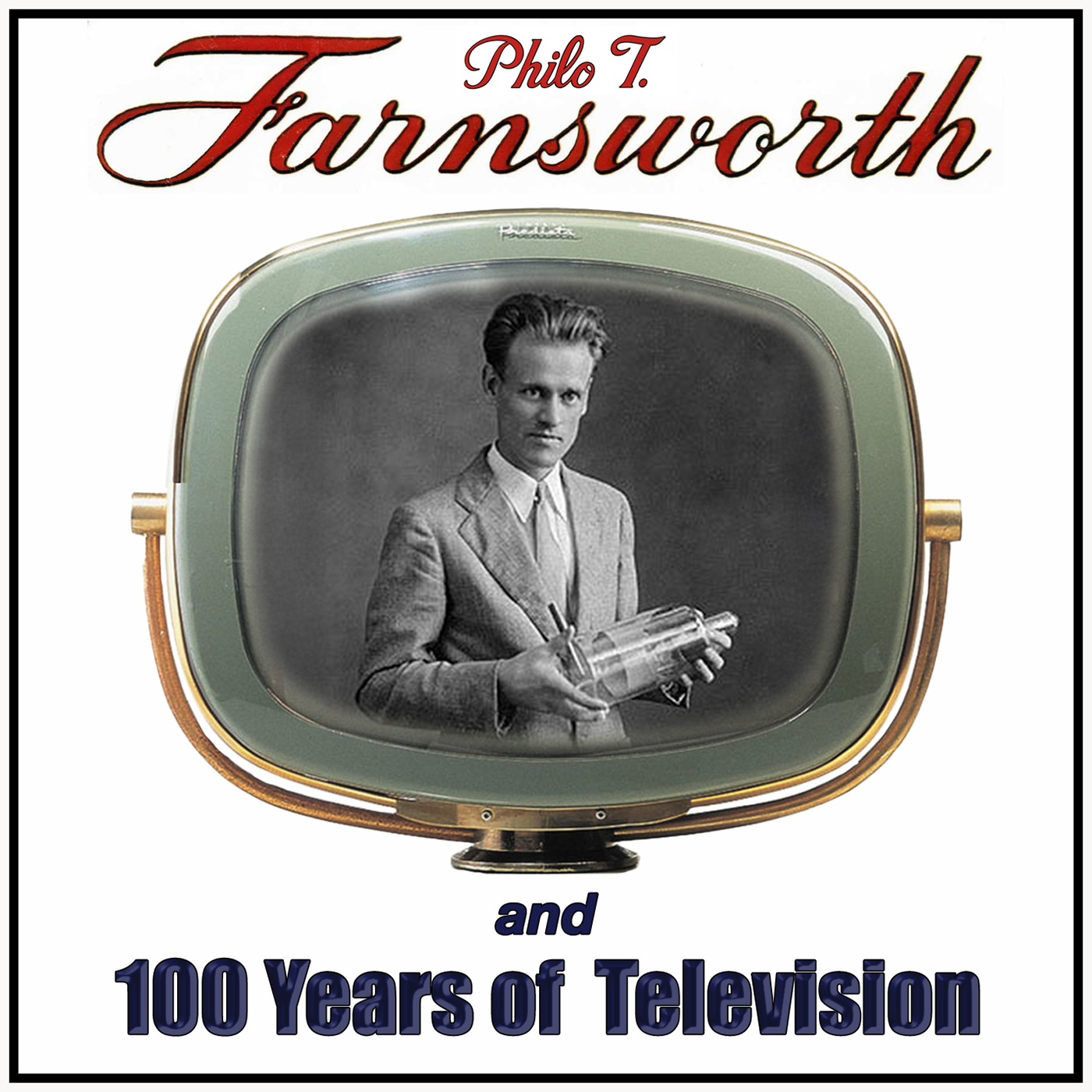
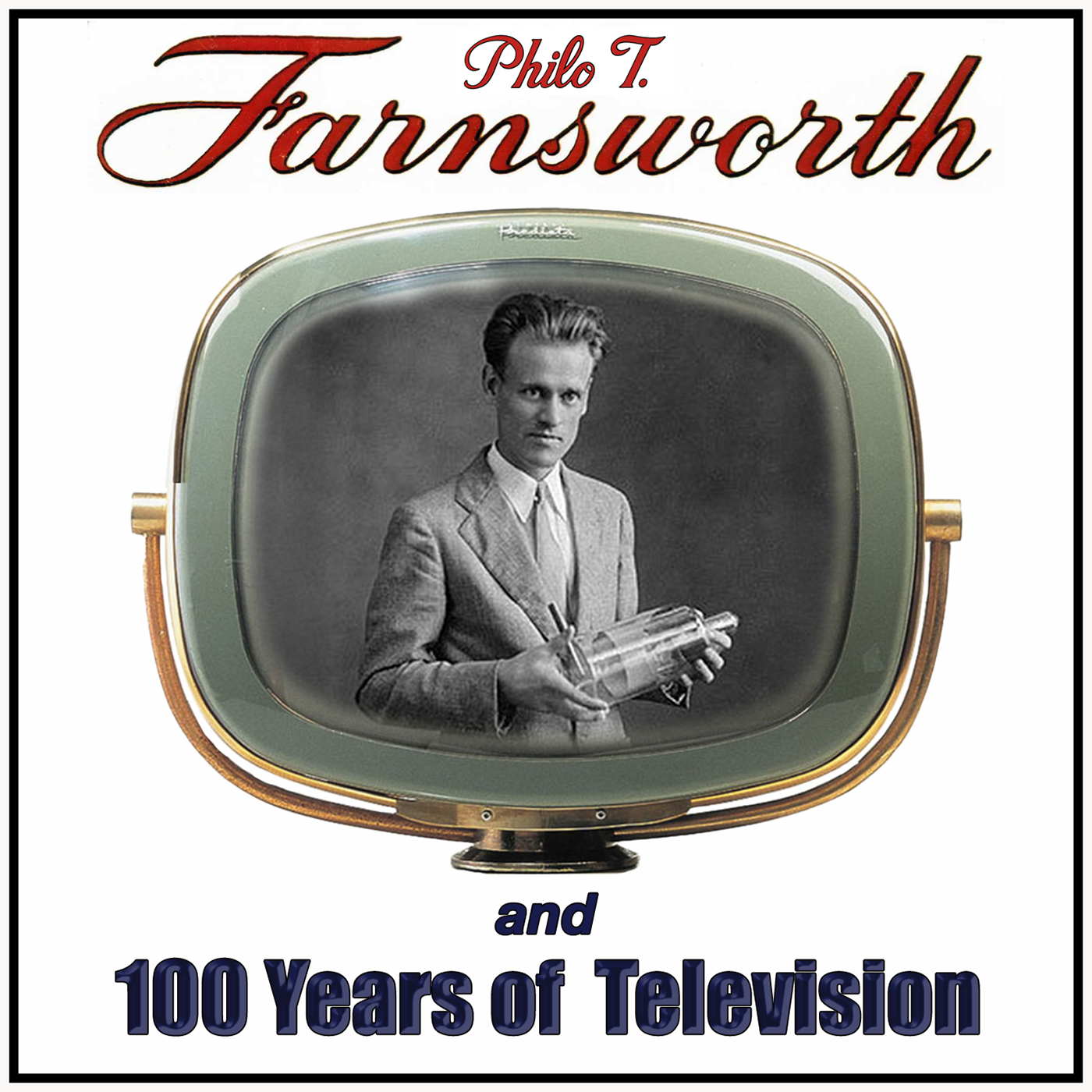
The countdown is pegged to culminate on September 7, 2027, the 100th anniversary of the day television was invented. Paul I'm Paul Schatzkin, author of the Boy who Invented Television, the definitive biography of Philo T. Farnsworth, who invented the world's first all electronic television system.
In the last episode, television went off to see the wizard and today the audience at home will meet the man who made it all possible.
By 1957, the number of households in the United States had grown to more than 50 million.
Nearly 40 million of those households had invested in at least one television set, making the new medium a fixture for nearly three quarters of the country.
The typical screen measured 17 to 21 inches and sold for $150 to $200.
That's about $1,600 to $2,100 in $2026.
Fewer than 150,000 color receivers were in use, each costing between 500 and 600 DOL $5,500 to $6,500 today and average viewing time had risen to four or five hours a day, easily eclipsing both radio listening and newspaper reading.
The big three networks, NBC, CBS and ABC extended their reach with coaxial cable and microwave relays linking nearly every major city.
The business model was still based on advertising, but the familiar single sponsor format like Texaco, Star Theater and Kraft Television Theater was fading in favor of breaks with commercials from numerous sponsors on the West Coast. Lucille Ball and Desi Arnaz's Desilu Studios showed the industry that Hollywood production values could translate into weekly series.
Their flagship show, I Love Lucy, was consistently the highest rated program on the air, along with other popular Desilu productions like Our Miss Brooks and December Bride.
Desilu's success helped thaw Hollywood's uneasy alliance with television, and by the mid-1950s all the major studios were feeding the network's voracious appetite for fresh programs.
Warner Bros. Went straight to the small screen in 1955 with Cheyenne, one of the first hour long Western series for television, followed by Maverick in 1957.
These shows were produced on film at the Burbank lot and distributed through abc, creating the template for the studio television model that would dominate TV for decades.
Columbia's Screen gems turned out a steady slate of family and adventure series like Father Knows Best, Rin Tin Tin, Circus Boy and the Adventures of Wild Bill Hickok, while also mining the vaults to fill local TV stations with syndicated film anthologies like Adventure Theater and Thrillorama Theater.
MGM and Paramount also licensed their theatrical features to television.
At the other end of the budget spectrum, quiz shows were as popular with audiences as they were cost effective.
Shows like the $64,000 question on CBS reached a third of TV households. Every light hearted banter filled panel. Shows like what's My Line? And To Tell the Truth were equally popular primetime fare.
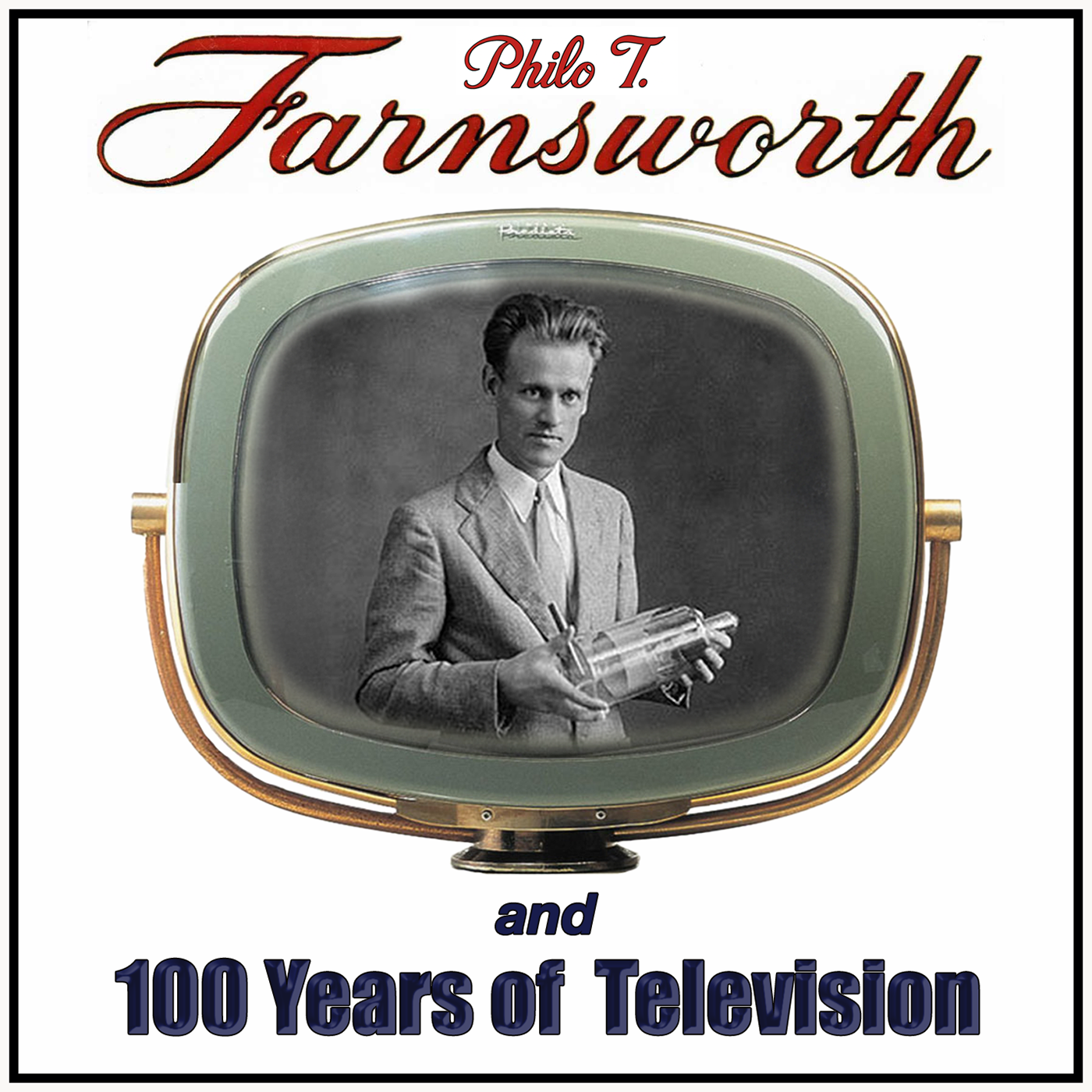
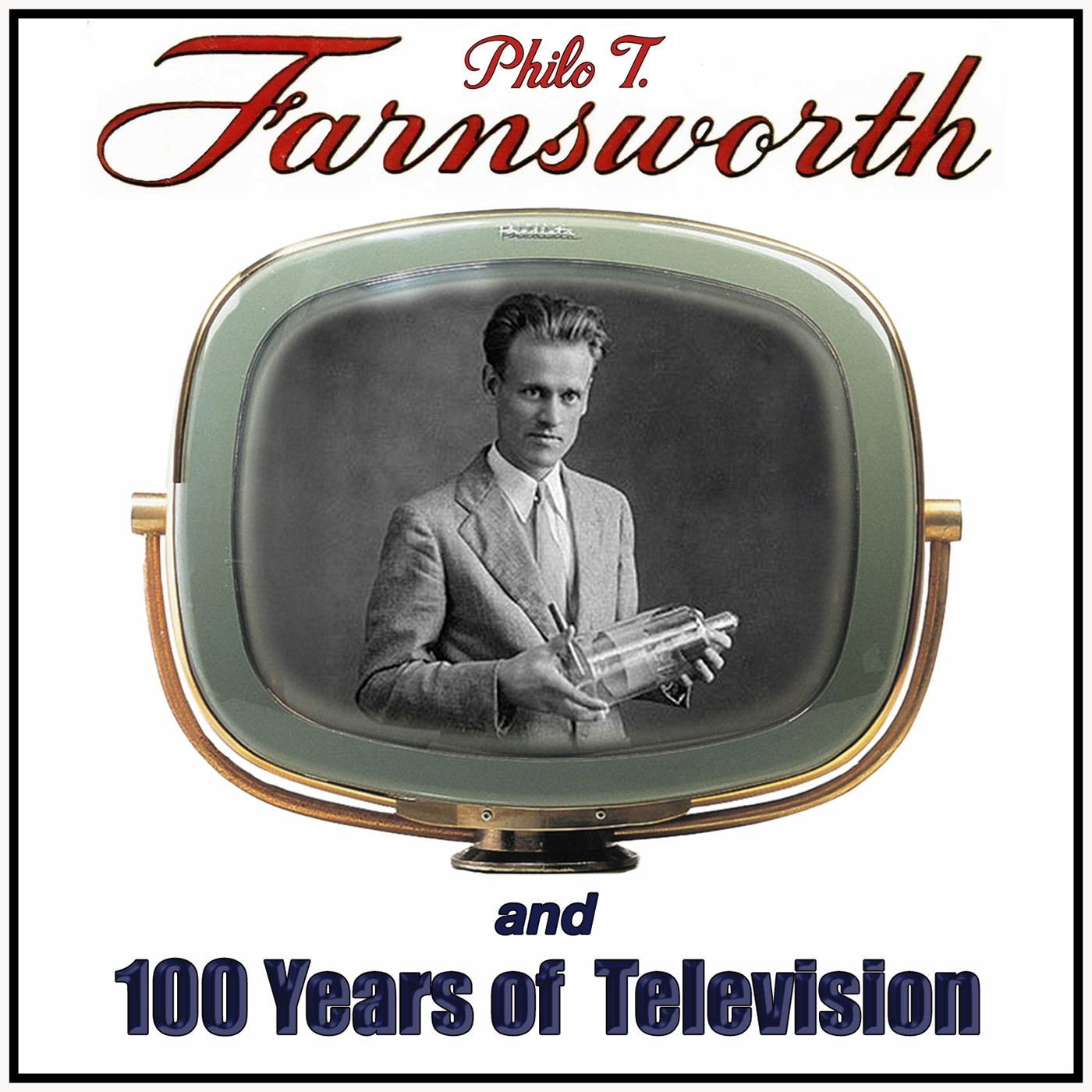
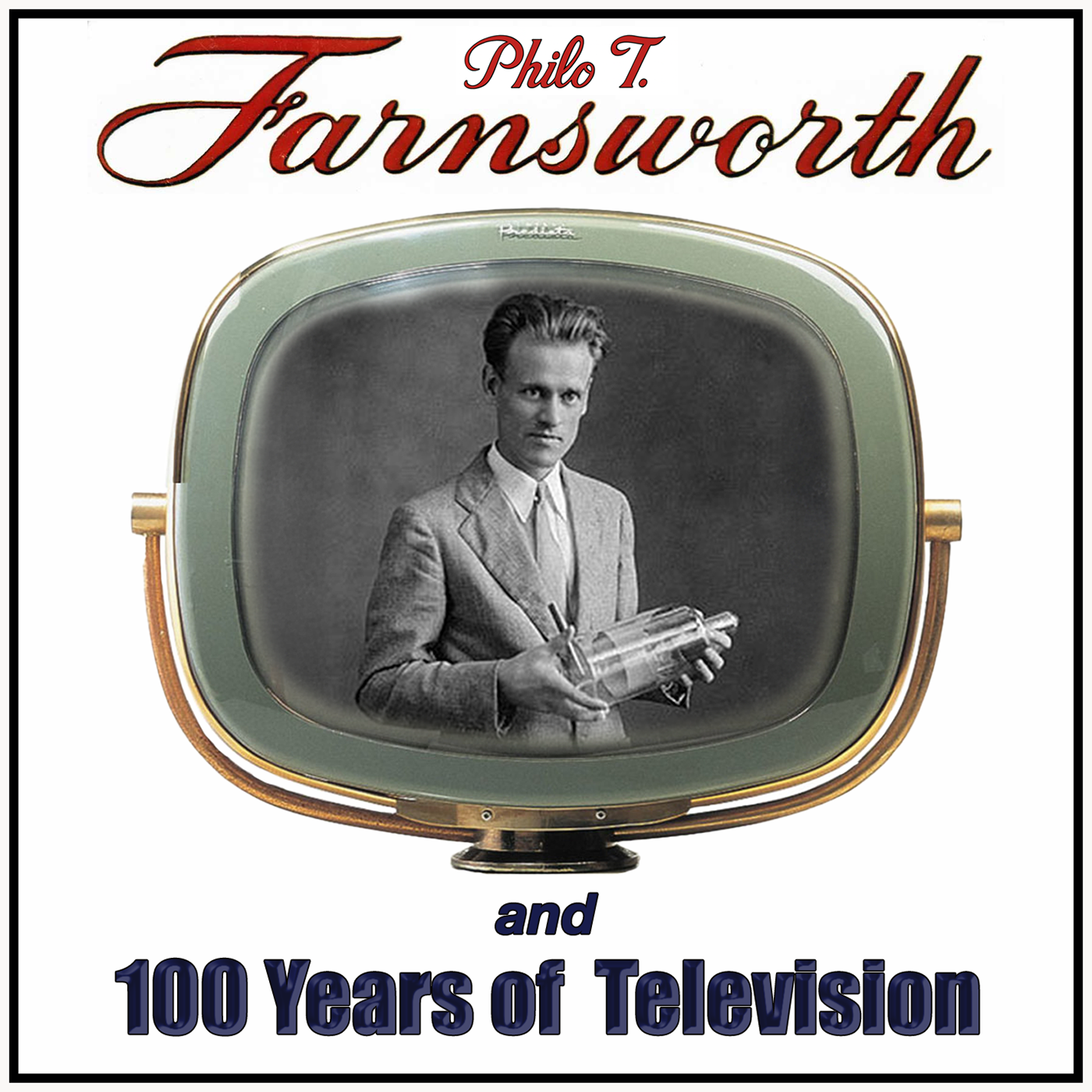
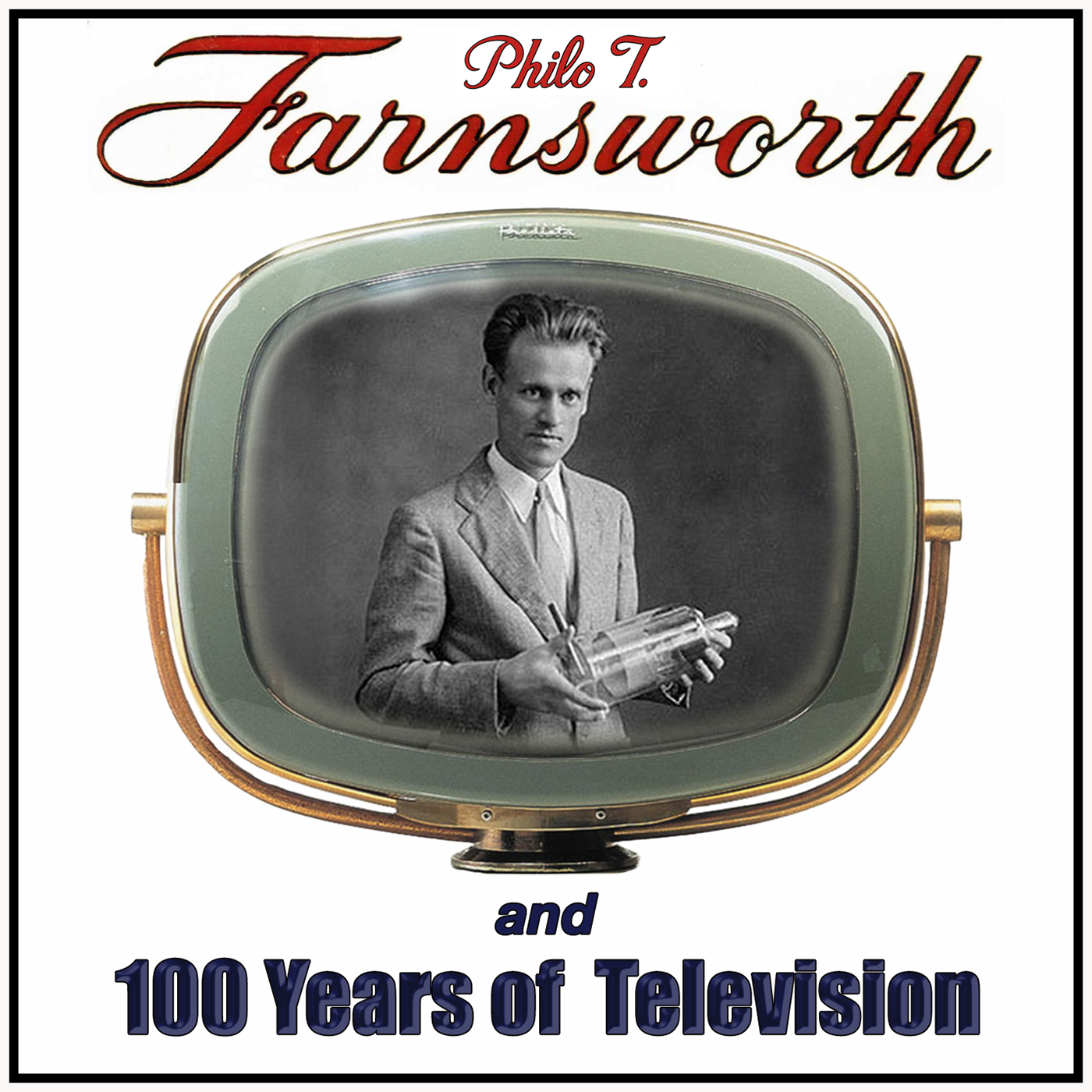
The audience for television was vast and diverse, but it is unlikely that anybody in the audience at home recognized the man who invented the appliance in their living room when he made his one and only television appearance on the CBS panel show I've Got a secret on June 3, 1957.
When host Garry Moore beckoned his next contestant to the stage, a gaunt man with a high forehead and wavy but receding hair ambled out from behind the curtain and was introduced to panelists Bill Cullen, Jane Meadows, Henry Morgan and Faye Emerson.
Though it had been nearly 20 years since Philo Farnsworth had been in the limelight, the host felt he had to conceal this guest's identity.
[00:05:32] Speaker C: Now, we're not going to identify this contestant panel, because to identify him would be to tip off his secret. We will call him simply Dr. X. Now, Doctor, if you will whisper your secret to me, we will show it at the same time to the folks out there.
[00:05:45] Speaker B: Dr. X leans into Gary Moore's ear and the screen shows, I invented electronic television.
The audience gasps slightly. Moore then adds, now wait a minute, there's even more.
Dr. X leans in again and the audience sees. In 1922, when I was 14 years old.
The audience responds with more gasps and applause.
[00:06:12] Speaker A: All right.
[00:06:12] Speaker C: To help to classify Dr. X's secret, I'll tell you what concerns something that he did. We'll start with Bill Cullen, please.
[00:06:18] Speaker B: After several questions, Bill Cullen manages to discern that the secret involves some kind of object and asks, is this some
[00:06:26] Speaker C: kind of a machine that might be painful when it's used?
[00:06:29] Speaker D: Yeah, sometimes it's most painful.
[00:06:34] Speaker B: The questioning is then handed off to Jane Meadows, who determines that Dr. X works in some kind of Laboratory. And then inexplicably asks, would this remotely
[00:06:47] Speaker A: or in any way be connected with psychiatric cases?
[00:06:52] Speaker D: Well, no, not especially not.
[00:06:55] Speaker C: It would be more, in very rare interest instances. It's been known to cause a few, but that really isn't the.
It really isn't the purpose of it. So let's say no. Okay.
[00:07:06] Speaker B: Henry Morgan asks, are you a dentist?
[00:07:09] Speaker D: No, no.
[00:07:12] Speaker C: Oh, not a dentist.
[00:07:13] Speaker A: Your.
[00:07:13] Speaker D: Your research.
[00:07:14] Speaker C: I gather you've been doing some research
[00:07:15] Speaker D: on something that I'm.
Yes, I'm a researcher.
[00:07:18] Speaker B: And poor Faye Emerson doesn't even get a chance before Garry Moore cuts off the game.
[00:07:25] Speaker C: We're getting into pretty obscure territory, and I think you fellas have led yourself down the garden path. Shall we cut him off? Let's cut him off. Because you're just wandering farther and farther. Fazee, it was your turn. But if you'll forgive me, I'll forfeit the money and tell you that he is a doctor of science. This is the famous Dr. Philo T Farnsworth, who invented electronic television.
[00:07:48] Speaker B: Philo T. Farnsworth. So famous that none of these four celebrities working in the industry he'd created had any idea who he was.
Lighthearted banter ensues.
Henry Morgan asks, doctor, truthfully, are you sorry?
[00:08:08] Speaker D: No. No.
[00:08:09] Speaker C: I asked him the same question. He said sometimes. He said sometimes.
[00:08:14] Speaker B: Moore asks Farnsworth to describe what he invented.
[00:08:17] Speaker C: Now, I'd like to ask you, there had been television sets of sorts before you came along, had there not been?
[00:08:23] Speaker D: Yes, there had been attempts to devise a television system using mechanical discs and rotating mirrors and vibrating mirrors, but all mechanics, all mirrors, all mechanical.
[00:08:34] Speaker C: What was your contribution?
[00:08:35] Speaker D: My contribution was to take out the moving parts and make the thing entirely electronic.
That was the concept that I had when I was just a freshman in high school.
[00:08:45] Speaker B: Moore continues, he was the one who
[00:08:48] Speaker C: put electronics into television, which makes it possible for us to have whatever it is that we have now. And then, of course, as the machines developed, there were other people who made contributions, too.
[00:08:56] Speaker D: Oh, yes.
[00:08:57] Speaker C: How many patents do you hold, sir, in the television field? Electronics?
[00:09:01] Speaker D: Something in excess of 165American patents.
[00:09:04] Speaker C: 165American patents.
[00:09:07] Speaker B: When Moore asks, what are you working on now? Farnsworth answers by describing what is now known as high definition television, or hdtv.
By making better use of the bandwidth, he explains, we can eventually get in excess of 2,000 lines instead of the 525 the NTSC adopted back in 1941.
And that, he adds, will make for a much sharper picture, thus predicting in 1957, the technologies that would not become standard until the late 1990s.
And then Moore changes the subject altogether.
[00:09:45] Speaker C: He's also working in nuclear fusion, which. And some of the things he says that are going to happen. We're going to heat our homes, we're going to cool our homes, we will cook, we will run our automobiles. All transportation by nuclear fusion and the future is unlimited.
[00:09:57] Speaker D: In the field that I'm essentially interested in now or doing most of my work is the taming of the H bomb, the hydrogen fusion problem.
[00:10:08] Speaker B: In other words, Farnsworth had taken all he had learned perfecting television and was now applying it to the nuclear fusion problem, as one does.
At which point the MC does his job.
[00:10:23] Speaker C: Dr. Farnsworth, we could stand here for sit here for many, many hours and talk. Most fascinating man I've met in many a long year. But unfortunately, television being what it is, it's your baby and we're out of time. So here are your. Winston, sir, the money that you won and our eternal gratitude. I'd be out of work if it weren't for you. Thank you.
[00:10:44] Speaker B: This brings us to the end of number 58 in the countdown of the top 100 milestones in the first 100 years of television.
Stay tuned for the next episode when television begins to grow out of its adolescence.
Thanks for listening to 100 Years of Television, a two year countdown to the centennial of television on September 7, 2027.
For more, aim your gizmo to 100yearstv.com where you can find links to Farnsworth's appearance on I've Got a secret from YouTube.
This podcast was written, recorded, edited, engineered and uploaded by me, Paul Schatzkin, and is a production of Farnovision.com if television was invented by somebody named Farnsworth, why don't we call it Farnovision?
[00:11:37] Speaker A: They all said we never would be happy. They laughed at us and how but how we got the laughs right now.