Episode Transcript
[00:00:00] Speaker A: They all laughed at Christopher Columbus when he said the world was round.
They all laughed when Edison recorded sound.
They all laughed at Wilbur and his brother when they said that man could fly.
They told Marconi wireless was a phony. It's the same old cry.
[00:00:21] Speaker B: Welcome back to 100 Years of Television.
This is episode 48, Countdown 59. We're not in Kansas anymore for 100 weeks that started in October 2025.
This podcast is going to recall the top 100 milestones in the first 100 years of television and video.
The countdown is pegged to culminate on September 7, 2027, the 100th anniversary of the day television was invented.
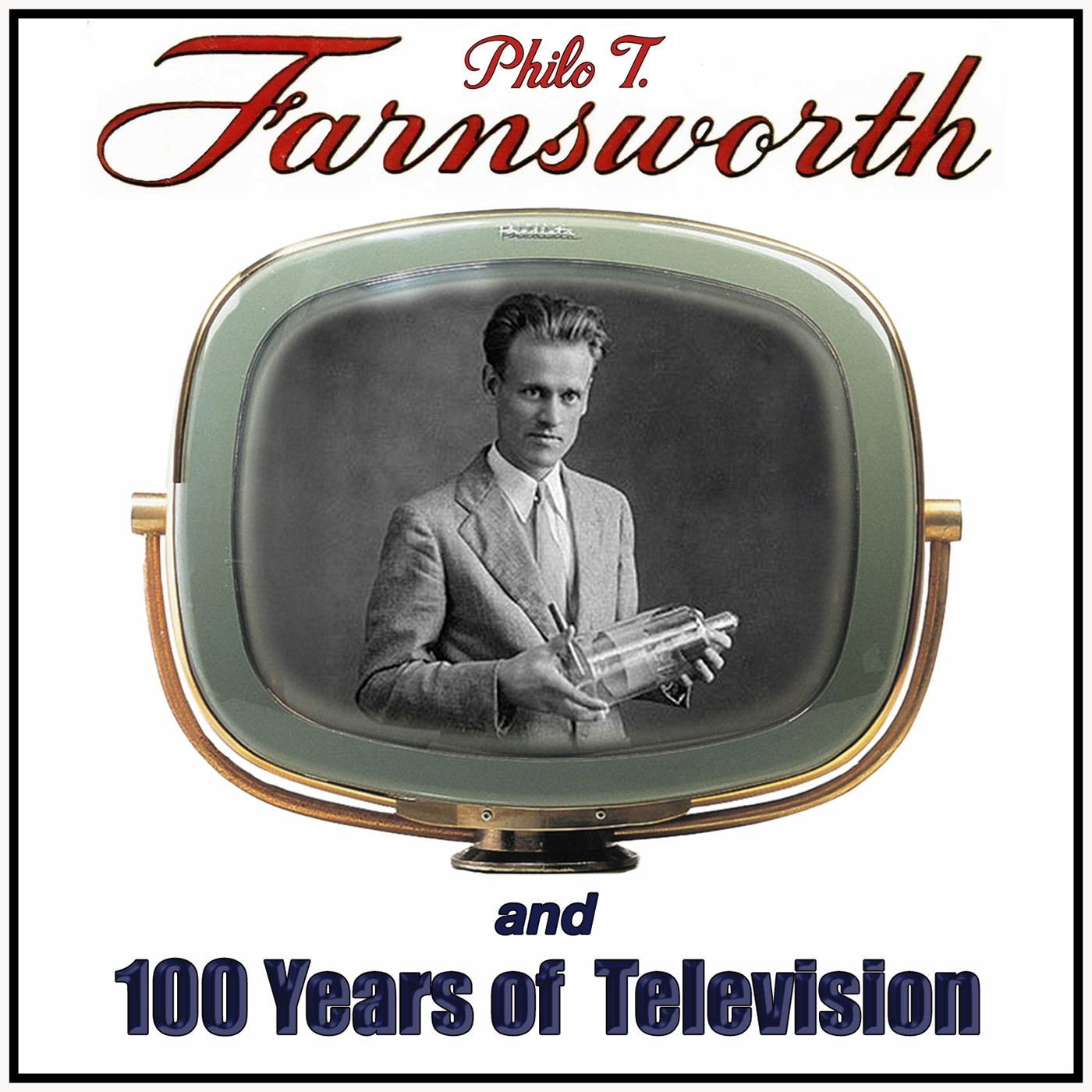
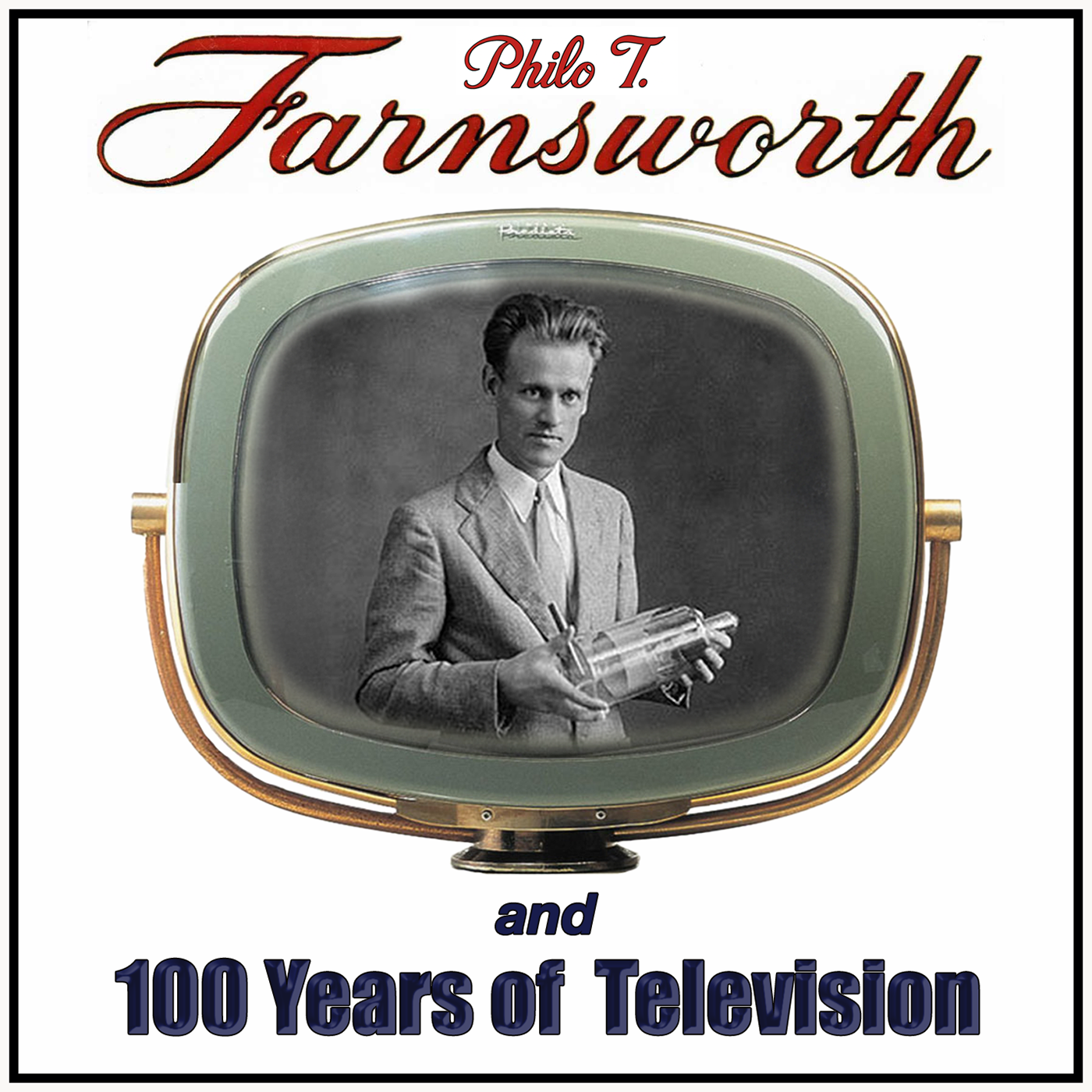
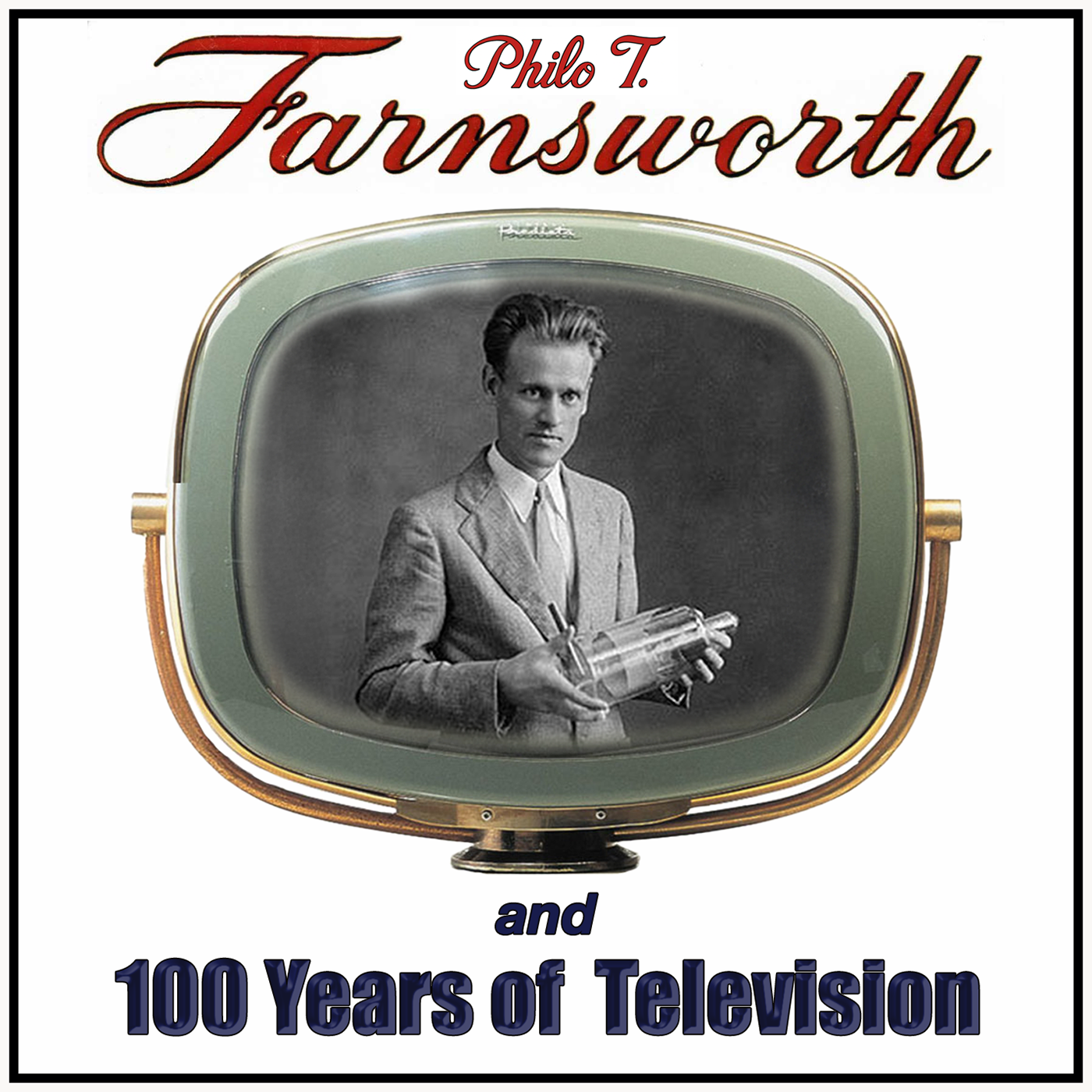
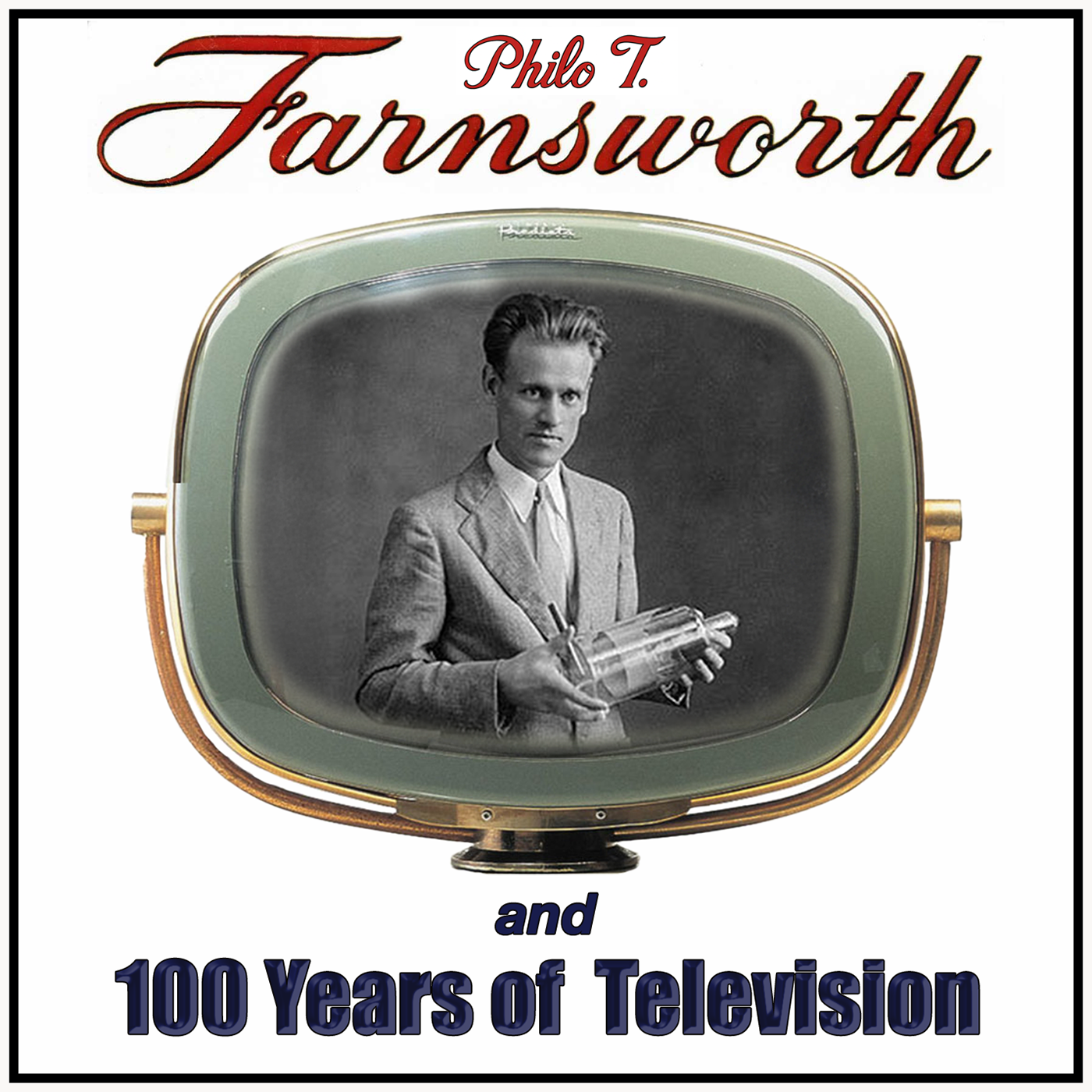
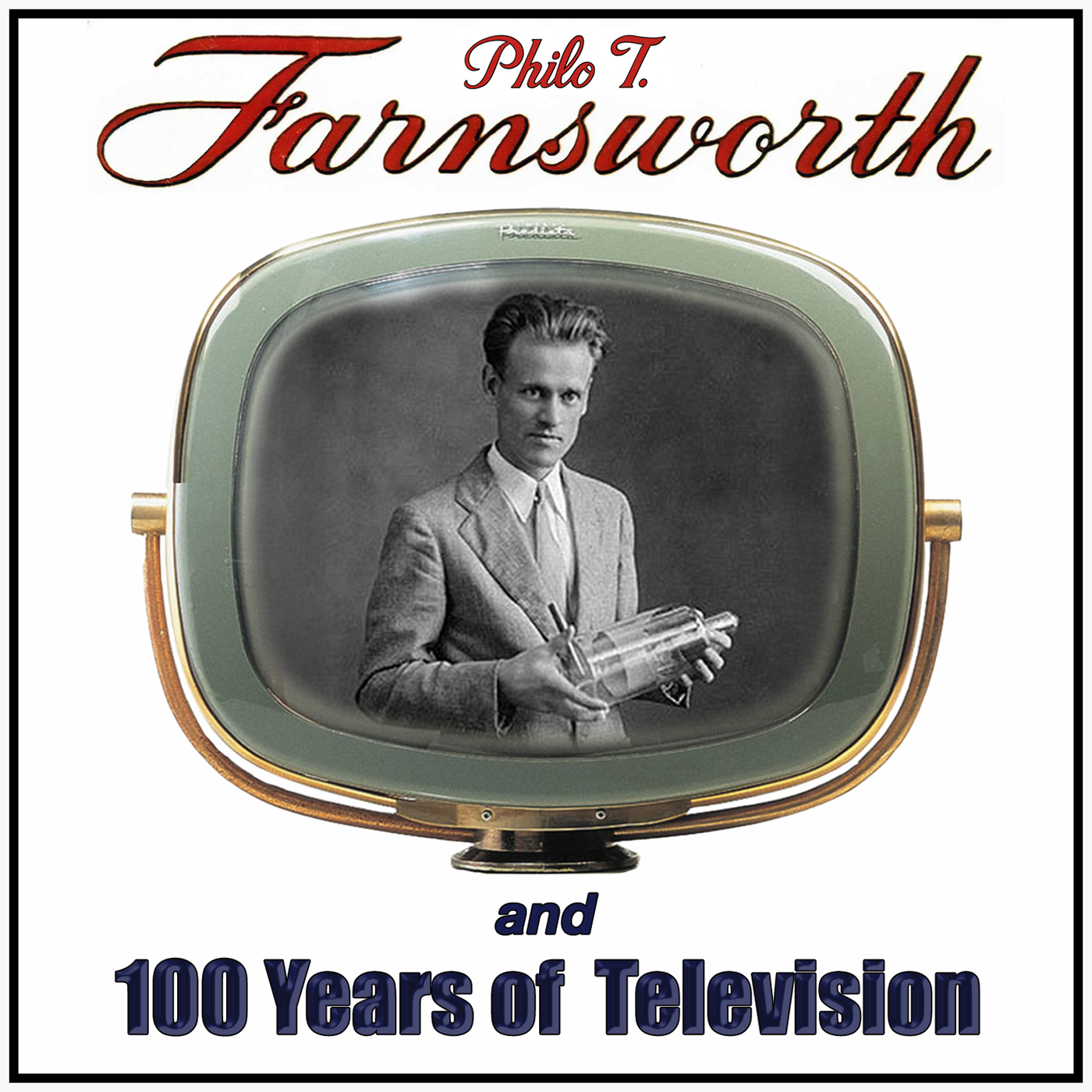
I'm Paul Schatzkin, author of the Boy who Invented Television, the definitive biography of Philo T. Farnsworth, who invented the world's first all electronic television system.
In the last episode, Ampex changed everything with the introduction of the video tape recorder.
Today it's lions and tigers and bears. Oh my.
In the 1950s, the relationship between the emerging television industry and the established motion picture industry was a contested landscape of shared foundations and competing interests.
On the one hand, Hollywood had been producing motion pictures for more than half a century.
On the other hand, the easy availability of similar entertainment in every living room threatened the industry's business model, especially its nationwide network of movie theaters.
Some of the earliest experiments with mechanical television in the 1920s drew directly from motion picture technology.
Among them, the radio visor contraptions demonstrated in the mid-1920s by C. Francis Jenkins drew on his extensive contributions to cinema projection technologies.
But once the principle of electronic video had been proven, Philo Farnsworth turned to motion pictures to improve the technology.
Just a few weeks after his heralded demonstration for the press in early September 1928, Farnsworth's San Francisco laboratory was extensively damaged by fire.
Tragedy turned into opportunity when insurance covered the losses, and the lab gang set about building entirely new equipment.
The reset gave Farnsworth a chance to address critical engineering issues.
But before he could measure any progress, he needed an image source with more motion and detail than geometric shapes painted on glass slides.
The lab gang tried televising live human subjects, but the extremely hot lights still required to render any picture at all prevented the use of live models for more than a few seconds.
They had to come up with something else.
An entry in the lab journals from a few months after the fire reports transmission of motion pictures by electrovision attained by Rutherford.
In other words, Lab gang veteran Tobe Rutherford had developed what is now known as a film chain, a device for displaying motion pictures on television.
As one observer Riley put it, that just meant they bought an old movie projector, got it working and focused the projection on to an image dissector.
One of the first films that the Lab gang ran through their projector was a loop from Walt Disney's Steamboat Willie, the debut of a character named Mickey Mouse.
But their favorite footage was a clip of Mary Pickford, America's sweetheart. In a scene from the Taming of the Shrewd, one of Farnsworth's colleagues noted that Mary Pickford combed her hair at least a million times for the benefit of science and the development of television.
As the details in Ms. Pickford's features were gradually refined, the Lab gang could see much more clearly the obstacles that remained on the long path toward producing a commercially viable television picture.
The tenuous dance between film and television was vividly illustrated when that same Mary Pickford visited visited Farnsworth's laboratory in early 1930.
In the 1920s, Pickford, her husband, Douglas Fairbanks, Charlie Chaplin, D.W. griffith and others had joined forces as United Artists, their answer to the iron grip that major studios like Paramount and Universal held on both production and exhibition.
United Artists was established to give the talent in Hollywood, the actors, directors and producers more control over their own films and profits and to keep a wary eye out for any new developments that might impact the industry.
Once television had gone all electronic, it was obvious it was going to have just such an impact.
During a visit to San Francisco early in 1930, Pickford, Fairbanks and United Artists president Joseph Skank expressed interest in seeing the electronic marvel at 202 Green Street. As Pam Farnsworth later recalled, if they were going to be put out of business, they wanted to be part of the act that was coming in.
Over the next two decades, the film industry's curiosity about its potential rival waxed and waned.
Then, in 1948, the paramount consent decree upended the old order, forcing the studios to divest their theater chains.
As box office receipts slipped and TV ownership surged, the studios were compelled to cast a wary eye toward the glowing rectangles taking over America's living rooms. Necessity finally forced Hollywood to adapt. The first to cross over was Walt Disney when he produced One Hour in Wonderland, a Christmas special on NBC that doubled as a preview for Alice in Wonderland. In 1948, Columbia Republic and Paramount tentatively invested in TV production or station ownership. And veteran cinematographer Carl Freund was instrumental in the development of Desilu Studios three camera film system that revolutionized sitcom production.
Still, Hollywood's old guard clung doggedly to their dismissal of television as a lesser art form. A proletarian carnival of novelty acts, sports and occasional live drama.
Certainly not a suitable venue for any of Hollywood's theatrical spectacles.
The tide finally turned on November 3, 1956, when CBS aired the wizard of Oz as part of its four star Jubilee series.
MGM originally licensed the 1939 classic for one night after trimming it slightly to fit a 100 minute time slot with commercials.
Bert Lahr, the Cowardly lion himself introduced the film and Judy Garland's daughter Liza Minnelli appeared in a segment afterward.
At a time when only a handful of households owned color TVs, few could see the film's transition from Sepia, Kansas to Technicolor Oz.
But even in Shades of Grey, audiences discovered the magic. Oz became part of the national mythology and we're not in Kansas anymore became part of the national lexicon.
MGM sold the television rights for the wizard of Oz to CBS for a flat fee, reportedly around $225,000 for that initial 1956 telecast.
That was an enormous sum, roughly 2.5 million in $2026 for what was a considerable gamble for all concerned.
For mgm, the risk was putting one of its cinematic crown jewels on the small screen.
For cbs, it was spending such an enormous sum for a single broadcast.
But the gamble paid off in ways that neither could have imagined.
CBS had a willing partner in the Ford Motor Company who underwrote the telecast to the tune of more than $3 million, or about 35 million in $2026.
For their expenditure, Ford reached an audience of more than 35 million viewers with commercials for its 1957 line of Thunderbirds, Fairlanes and Rancheros.
CBS profited handsomely from the arrangement and MGM found a lucrative new market for its film library.
For many Americans, this was the first time they had seen the wizard of Oz since it stopped showing in theaters 17 years before.
For the generation born after the war who had never even seen the film in theaters, the telecast soon became an annual ritual.
After that initial airing in 1956, CBS arranged to rebroadcast the wizard of oz again in 1959 and then again every year until 1967.
NBC outbid CBS for the license in 1968 and continued the tradition through the early 1970s when CBS regained gained the rights and aired it annually again from 1976 through 1998.
For television, the wizard of Oz helped establish the home movie night that evolved into network staples like NBC's Saturday Night at the Movies. And ABC's Movie of the Week for Hollywood. The wizard of Oz demonstrated that a major studio feature could find new life and a vast new audience through television.
This brings us to the end of number 59 in the countdown of the top 100 milestones in the first 100 years of television.
Stay tuned for the next episode when the man who invented television makes his one and only appearance on his creation.
Thanks for listening to 100 Years of Television, a two year countdown to the centennial of television on September 7, 2027.
For more, just aim your gizmo to 100 Years tv.com this podcast was written, recorded, engineered and uploaded by me, Paul Schatzkin, and is a production of Farnovision.com if television was invented by somebody named Farnsworth, why don't we call it Farnovision?
[00:11:31] Speaker A: They all said we never would be happy. They laughed at us and how?
But how, how, how?
Not now.